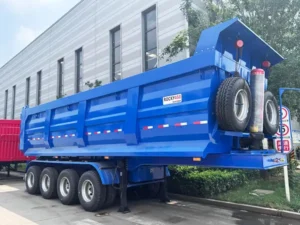
35CBM Tipper Semi Trailer Shipped To Uganda
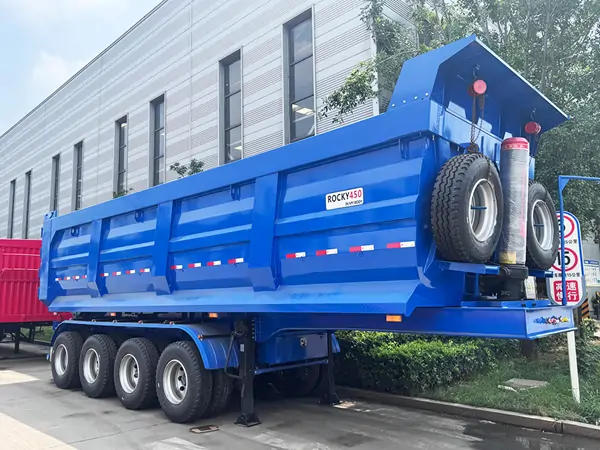
INTAI Trailer has completed the production and shipment preparation of a 35CBM Tipper Semi Trailer for a customer in Uganda.


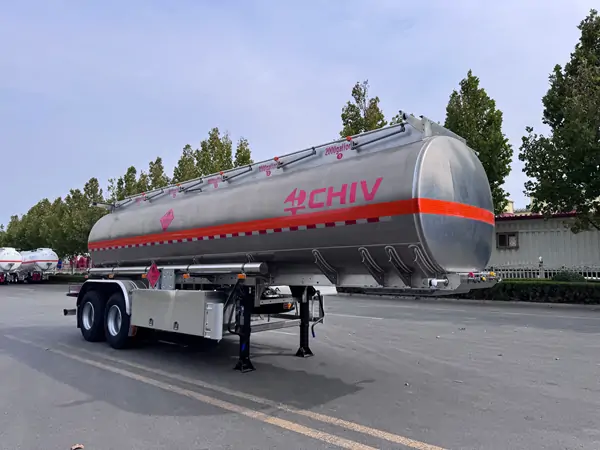
Buying a fuel tanker trailer is a major investment. The right trailer can improve transportation efficiency, reduce operating costs, and ensure safe fuel delivery. However, choosing the wrong configuration can lead to compliance issues, higher maintenance costs, or poor performance on long-distance routes.
Before you buy tanker trailer equipment, it is important to ask the right questions to ensure you purchase a right fuel tanker trailer for yourself.
Here are the top 10 questions to ask before buying a fuel tanker trailer.
The first question is: How much fuel do you need to transport per trip?
Fuel tanker trailers are available in different capacities, depending on the product being transported, road regulations, tractor configuration, and customer requirements.
Common considerations include:
A larger tank does not always mean better efficiency. If the trailer exceeds local weight restrictions when fully loaded, its usable capacity may be limited.
Before you buy tanker trailer equipment, your supplier should help you select a practical capacity based on your actual operating conditions.
The tank material directly affects the trailer’s weight, durability, corrosion resistance, and cost.
Aluminum is lightweight and can help increase payload capacity. It is often considered when reducing tare weight is a priority.
Carbon steel provides high structural strength and is widely used for fuel transportation. It can also offer a competitive purchase price and good durability when properly protected against corrosion.
The best material depends on your fuel type, local regulations, road conditions, required payload, and budget.
A professional tanker trailer supplier should be able to explain the advantages and limitations of each option rather than simply recommending the cheaper material.
The number of axles affects:
Understanding the Different Types of Trailer Axles
For example, a lighter tanker configuration may be suitable for certain road conditions, while a higher-capacity trailer may require additional axles to distribute the load properly. Do not select the axle configuration based only on the trailer’s capacity. The combination of tank capacity + axle configuration + local regulations + tractor specifications should be considered together.
INTAI Trailer offers customized axle configurations including 2 axle, 3 axle, and 4 axle options to meet different transportation requirements. Our professional engineering team will carefully design the trailer according to your specific needs, cargo conditions, and local road regulations.
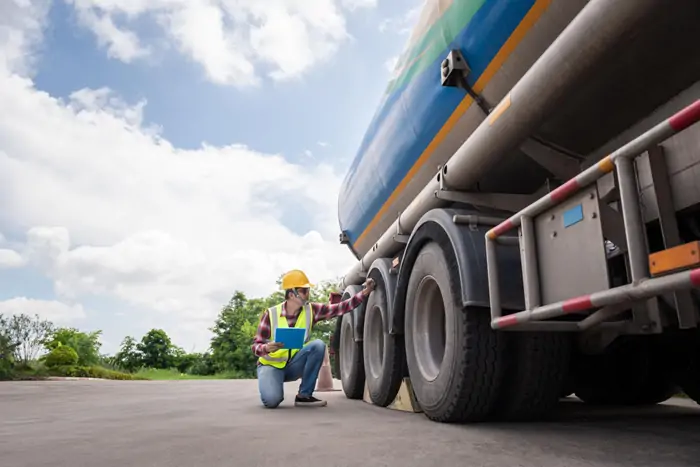
Before placing an order, confirm which manufacturing and transportation standards apply in your destination market.
Depending on the country and application, requirements may involve:
A trailer that is suitable for one country may not automatically meet the requirements of another.
Therefore, provide your tanker trailer supplier with the destination country and intended application before requesting a quotation.
This is one of the most important questions for international buyers.
ADR generally refers to the European Agreement concerning the International Carriage of Dangerous Goods by Road, while ASME is associated with engineering and pressure-vessel standards.
However, ADR and ASME are not interchangeable certifications. Whether either is required depends on the tank design, product, pressure conditions, destination market, and applicable regulations.
Before you buy, clarify:
Never assume that a trailer advertised as “ADR” or “ASME” automatically meets every requirement in your country.
Valves and safety equipment are essential components of a fuel tanker trailer.
Depending on the application, you may need to discuss:
Ask your supplier to provide a complete component list rather than simply stating “high-quality valves.”
You should know the brand, material, specifications, connection size, and quantity of key components before confirming the order.
Delivery time can have a significant impact on your project schedule.
Ask your supplier:
For customized fuel tanker trailers, production may take longer than for standard configurations because of additional engineering, component sourcing, testing, and inspection requirements.
A reliable tanker trailer supplier should provide a clear production schedule instead of giving only a vague delivery estimate. INTAI Trailer strictly controls every stage of the manufacturing process and creates a precise production plan based on the complexity, specifications, and customization requirements of each trailer. For detailed production timelines and customized solutions, please Contact INTAI Trailer to get more information.
Price is important, but quality control is even more important for a tanker trailer.
Before purchasing, ask how the manufacturer controls quality during production.
Important inspection points may include:
You can also request:
For larger orders, buyers may also consider arranging an independent third-party inspection before shipment.
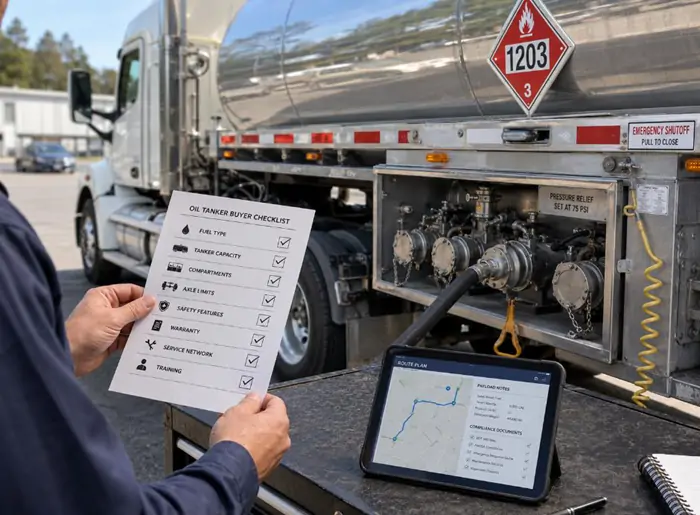
A low quotation does not necessarily mean a lower total cost.
Before comparing different suppliers, ask exactly what is included in the price.
For example:
You should also confirm whether the quotation is EXW, FOB, CIF, or another Incoterm.
Comparing two tanker trailers based only on the headline price can be misleading if their specifications and included equipment are different.
A fuel tanker trailer may operate for many years, so after-sales support should be considered before the purchase—not after a problem occurs.
Ask your supplier:
A dependable tanker trailer supplier should be able to support you throughout the trailer’s service life.
To receive an accurate quotation, prepare as much of the following information as possible:
The more complete your requirements are, the easier it is for a manufacturer to recommend the right configuration and provide an accurate quotation.
When you buy tanker trailer equipment, the cheapest quotation is rarely the only factor that matters. Capacity, tank material, axle configuration, certification, valves, manufacturing quality, delivery schedule, included equipment, and after-sales support can all affect the trailer’s long-term value. The right fuel tanker trailer should match your fuel product, transportation routes, local regulations, tractor configuration, and business requirements.
If you are looking for a reliable tanker trailer supplier, provide your required capacity, fuel type, destination country, and certification requirements. Professional Manufacturer INTAI can then recommend a suitable configuration and prepare a detailed quotation for your project.
INTAI Trailer has completed the production and shipment preparation of a 35CBM Tipper Semi Trailer for a customer in Uganda.
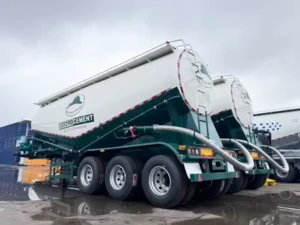
INTAI Trailer has successfully completed the production and delivery of 3 Axle Cement Bulker Trailers, which is prepared for shipment
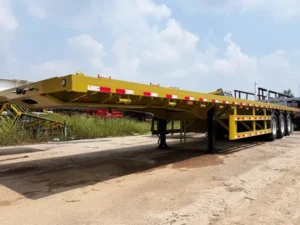
INTAI Trailer recently completed the production and delivery of 3 Axle Flatbed Semi Trailers Shipped To Rwanda, providing a reliable transportation