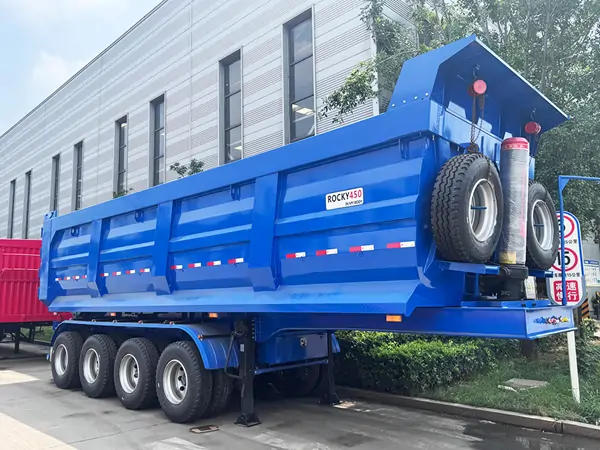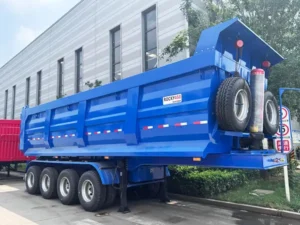
35CBM Tipper Semi Trailer Shipped To Uganda
INTAI Trailer has completed the production and shipment preparation of a 35CBM Tipper Semi Trailer for a customer in Uganda.


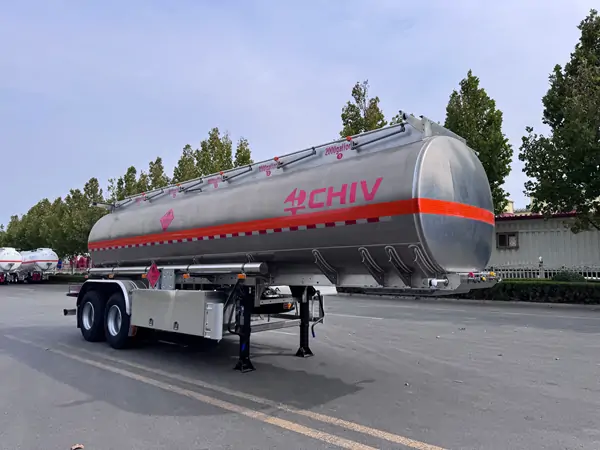
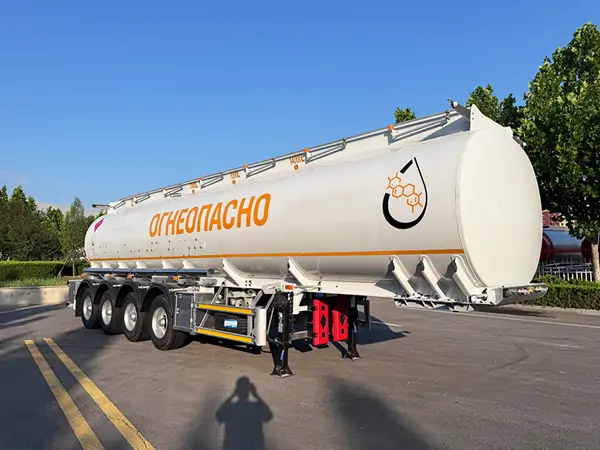
Proper LPG tank trailer maintenance is the foundation of safe, compliant, and cost-effective liquefied petroleum gas transportation. LPG tank trailers operate under high-pressure conditions and carry hazardous cargo, so minor wear, loose fittings, or undetected leaks can lead to operational downtime, safety accidents, and regulatory penalties. Whether you manage a fleet of LPG transport trailers or operate individual units, a standardized maintenance routine extends equipment lifespan, reduces repair costs, and ensures full compliance with global transportation safety standards. This guide breaks down systematic LPG tank trailer maintenance practices for daily, weekly, monthly, and annual upkeep.
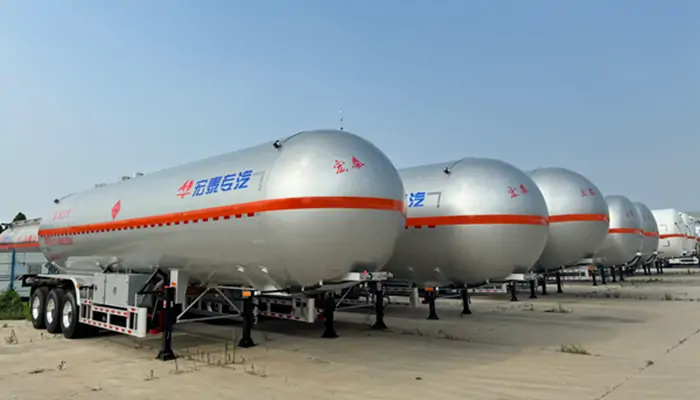
LPG tank trailers consist of high-pressure storage tanks, precision valves, piping systems, braking components, and safety protection devices. Long-term road vibration, temperature changes, and frequent loading and unloading operations easily cause component aging, corrosion, and seal degradation. Consistent professional maintenance delivers three core benefits for LPG transportation businesses:
Daily inspections are the most critical line of defense to eliminate hidden dangers, requiring drivers and operators to complete a full check before every dispatch. This 15-minute routine can identify over 80% of potential minor faults.
Check the entire tank body for obvious deformation, cracks, paint peeling, and rust spots. Focus on welding seams and bottom contact areas, which are prone to corrosion and structural fatigue. Confirm no residual LPG odor around the tank and no traces of liquid leakage.
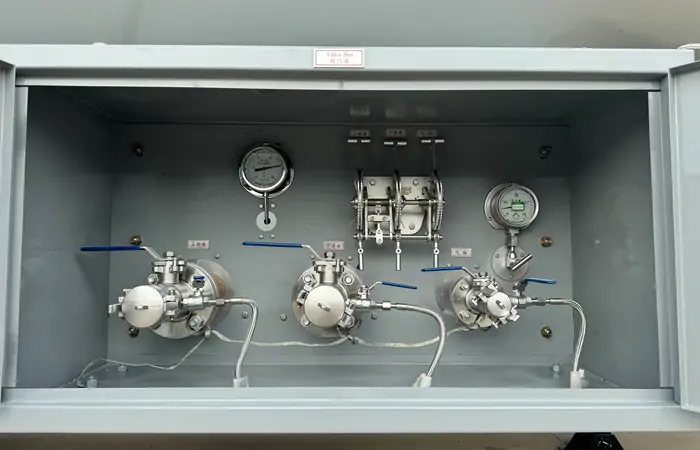
Inspect all core safety devices: confirm fire extinguishers are present, valid, and securely fixed; check electrostatic grounding rods for intact performance. During loading and unloading, ensure grounding rods are inserted into damp soil to eliminate static electricity and prevent spark risks. Verify pressure gauges display normal readings for idle tanks (5–10 bar standard pressure range).
Examine all connecting hoses, pipelines, and joints for aging, cracking, loosening, or oil stains. Confirm all sealing gaskets are intact without deformation. Tighten loose joints slightly to avoid air leakage during operation.
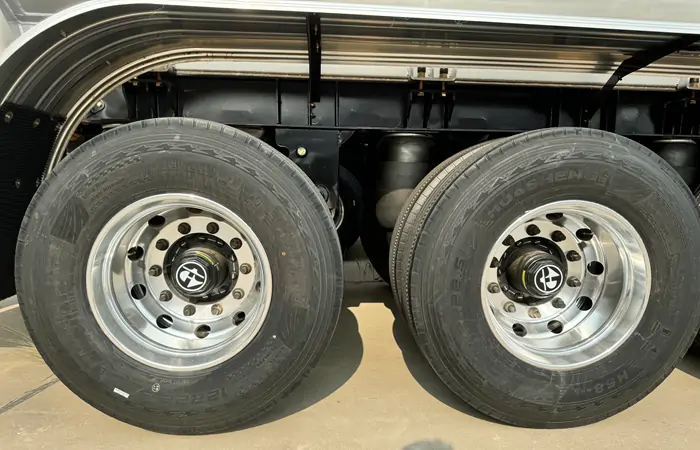
Check tire pressure, tire wear, and brake system status, including anti-lock braking system (ABS) and roll stability control functions. Ensure trailer suspension and fasteners are firm to avoid abnormal vibration during transit.
On the basis of daily inspections, regular weekly and monthly maintenance focuses on functional testing and minor component maintenance to keep all systems in optimal working condition.
Conduct professional tightness tests on valves, flanges, and pipeline connections every week using aqueous surfactant solutions to detect tiny leaks that cannot be identified by visual inspection. Focus on pressure relief valves and excess flow valves, the core safety components of LPG trailers.
Lubricate hose joints, valve switches, and movable mechanical parts monthly to prevent jamming and rusting. Replace severely worn, deformed, or aging gaskets and seals in a timely manner, as failed seals are the leading cause of LPG micro-leakage.
Clean the tank surface regularly to remove dust, oil stains, and corrosive attachments. Polish and repaint local rusted areas to prevent corrosion expansion. High-performance anti-corrosion coating protection ensures long-term structural stability of the tank body.
Check and calibrate pressure gauges, liquid level meters, and flow meters monthly to ensure accurate data display. Inaccurate instrument readings may lead to overfilling or misjudgment of tank pressure, triggering safety hazards.
LPG tank trailers are pressure special equipment that must undergo systematic professional inspection and maintenance by certified technicians in accordance with industry and regulatory standards. Periodic professional testing is mandatory for legal operation.
Perform hydrostatic testing every 2–3 years (subject to local regulations and manufacturer guidelines). The tank is filled with water and pressurized beyond the maximum working pressure to detect tank wall fatigue, hidden cracks, and pressure resistance attenuation. This test verifies the overall structural integrity of the LPG tank and eliminates potential burst risks.
Pressure relief valves and internal excess flow valves must be tested and calibrated annually to ensure they open and release pressure precisely at the rated pressure value. Replace aging or insensitive safety valves directly, as faulty valves will fail to release excess pressure in high-temperature or overloaded conditions, causing major safety accidents.
Clean the tank interior regularly to remove residual impurities and moisture produced during long-term LPG transportation. Residual impurities will corrode the tank wall and affect transportation purity. Meanwhile, conduct internal wall thickness measurement and non-destructive testing of welding seams to check for internal corrosion and structural damage.
Comprehensively debug the braking system, anti-rollover system, electrostatic grounding system, and emergency cut-off device to ensure all safety protection mechanisms respond sensitively. Confirm internal surge suppression baffles are firmly fixed to avoid liquid impact during driving.
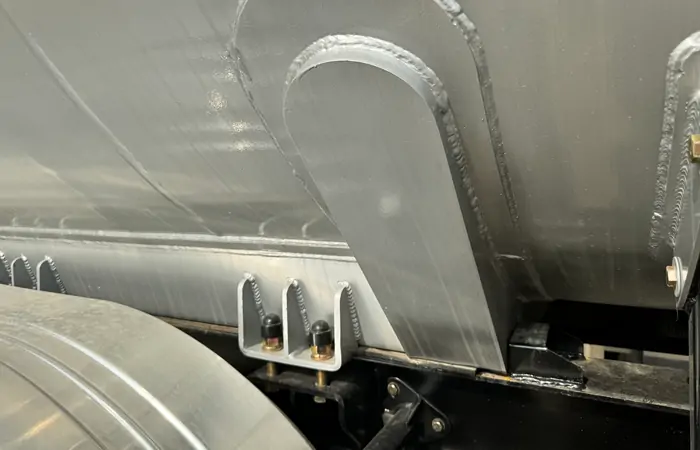
A scientific and complete maintenance system brings long-term value to LPG transportation fleets. It not only avoids safety accidents and regulatory fines but also stabilizes transportation efficiency, reduces frequent downtime losses, and lowers overall equipment operation and maintenance costs. Well-maintained LPG tank trailers maintain stable performance, extend service life, and improve fleet operation credibility, helping enterprises gain more market competitive advantages.
LPG tank trailer maintenance is not optional routine work but a necessary measure to ensure safe production, compliant operation, and sustainable profitability. Adhering to daily inspections, regular maintenance, and annual professional testing can effectively eliminate hidden dangers, protect equipment investment, and ensure every LPG transportation mission is safe and efficient.
INTAI Trailer has completed the production and shipment preparation of a 35CBM Tipper Semi Trailer for a customer in Uganda.
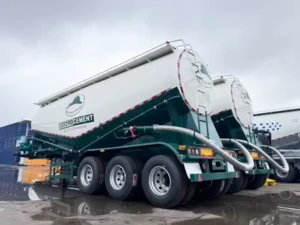
INTAI Trailer has successfully completed the production and delivery of 3 Axle Cement Bulker Trailers, which is prepared for shipment
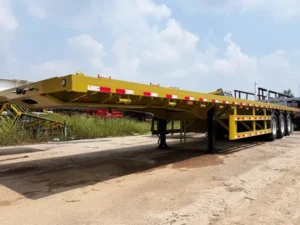
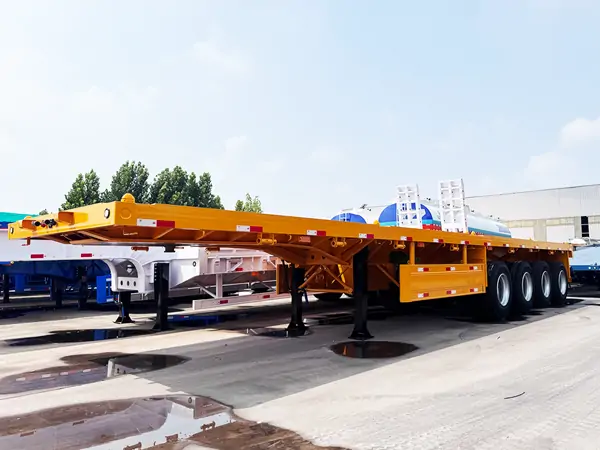
INTAI Trailer recently completed the production and delivery of 3 Axle Flatbed Semi Trailers Shipped To Rwanda, providing a reliable transportation