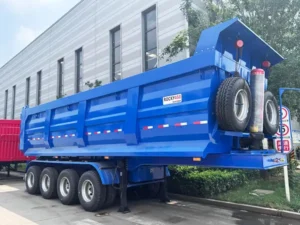
35CBM Tipper Semi Trailer Shipped To Uganda
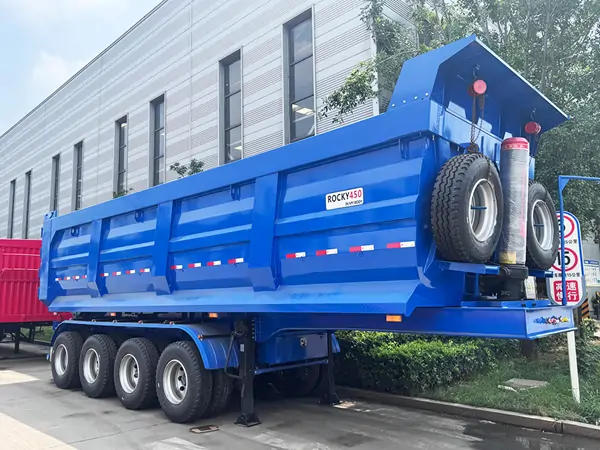
INTAI Trailer has completed the production and shipment preparation of a 35CBM Tipper Semi Trailer for a customer in Uganda.


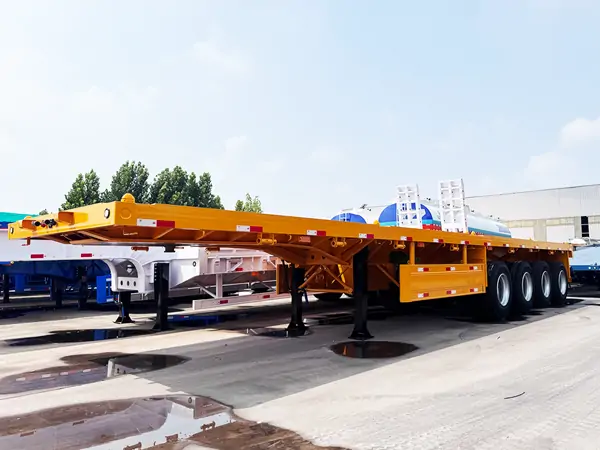
Article Introduction: The load-bearing capacity of a flatbed trailer mainly depends on four factors: its axle configuration, the thickness of the main beam steel, the structural design, and the local road conditions. Therefore, this article will interpret the load-bearing capacity of different types of flatbed trailers.
The gross vehicle weight (GVW) of a semi-trailer distributes across the tractor axle load and the trailer axle load. The calculation formula is as follows:
Gross Vehicle Weight (GVW) = Tractor Axle Load + Trailer Axle Load
Permissible Payload = Maximum Permissible GVW – Vehicle Tare Weight
Want to learn more about high-quality trailer axles? This article will help you: Understanding the Different Types of Trailer Axles.
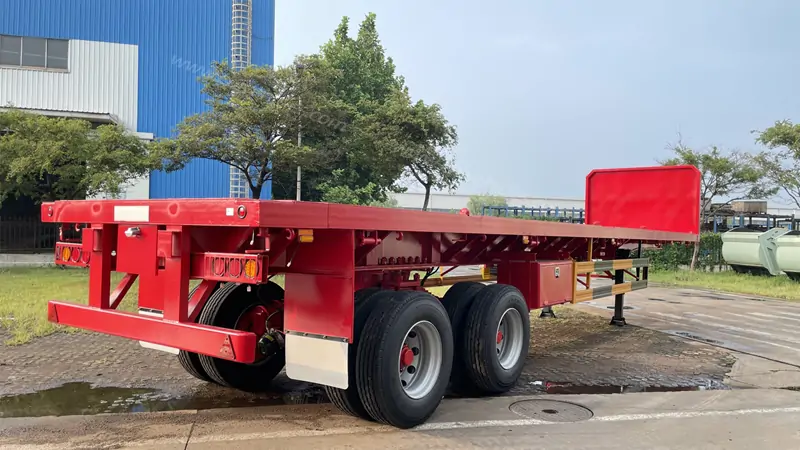
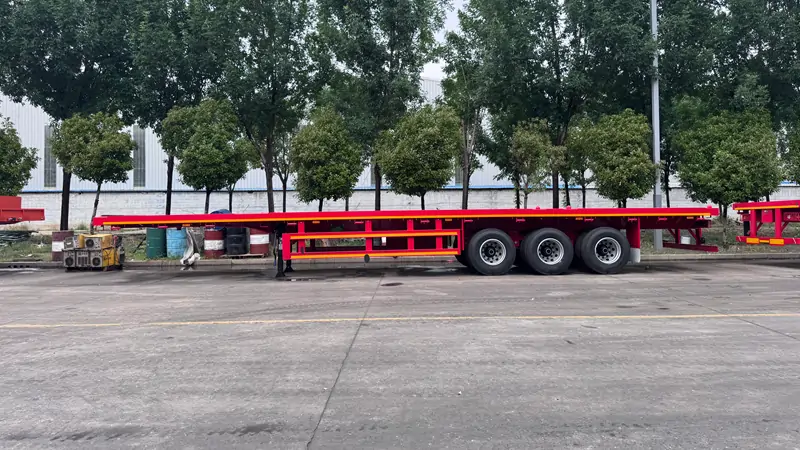
3. The application scenarios for semi-trailers with 4 axles or more are usually limited by local weight regulations. In addition, each axle has a specific load capacity requirement. Therefore, to transport heavier goods, multi-axle semi-trailers are adopted.
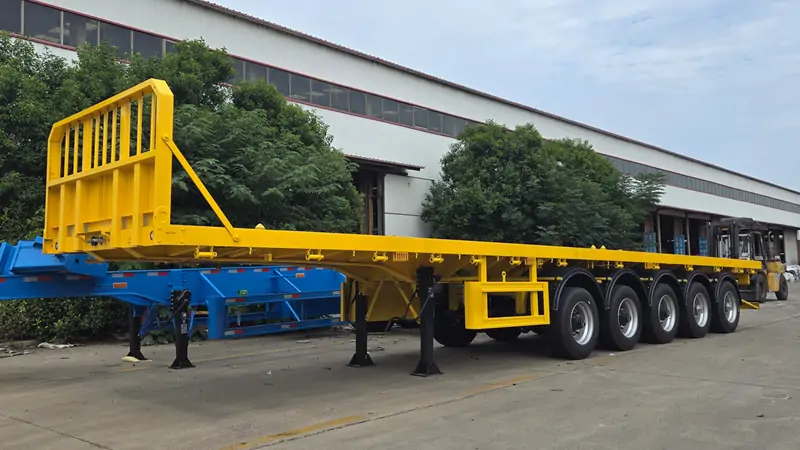
If you are looking for a reliable flatbed trailer solution, contact us today to get a competitive quote and professional support for your transportation needs.
INTAI Trailer has completed the production and shipment preparation of a 35CBM Tipper Semi Trailer for a customer in Uganda.
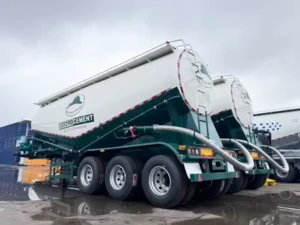
INTAI Trailer has successfully completed the production and delivery of 3 Axle Cement Bulker Trailers, which is prepared for shipment
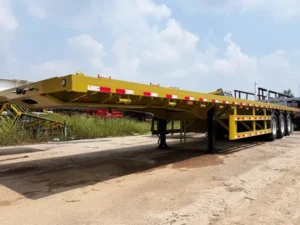
INTAI Trailer recently completed the production and delivery of 3 Axle Flatbed Semi Trailers Shipped To Rwanda, providing a reliable transportation