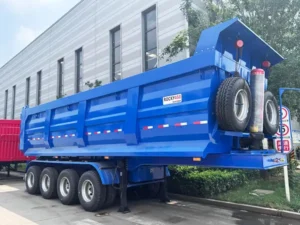
35CBM Tipper Semi Trailer Shipped To Uganda
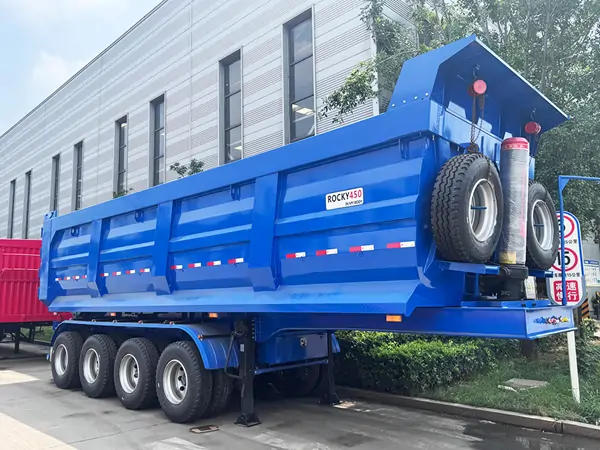
INTAI Trailer has completed the production and shipment preparation of a 35CBM Tipper Semi Trailer for a customer in Uganda.


If you are involved in the mining, construction, or logistics industries, then when choosing between end tipper and side tipper trailer, you need to consider much more than just the superficial factor of unloading method. The real key considerations are: how much economic loss you will suffer if the trailer overturns; or how much valuable time your driver will waste when performing maneuvers such as turning or maneuvering in a confined space.
Let’s abandon those fancy marketing rhetoric and face the real-world pros and cons.
1. A Stability Nightmare: Why Do Dump Trailers “Tip Over”?
For every fleet owner, the most terrifying nightmare is receiving a phone call with this message: “The dump trailer has tipped over!”
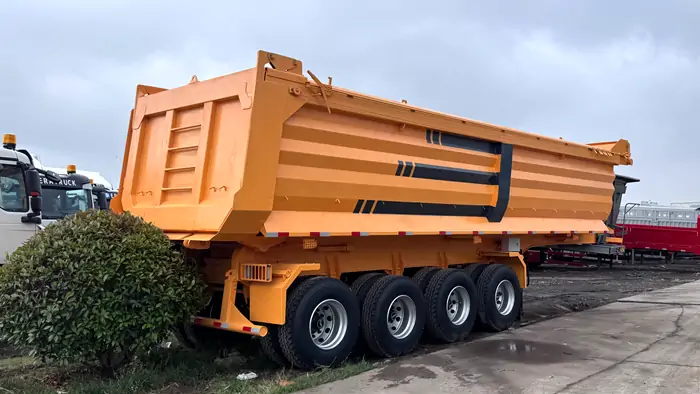
2. The Efficiency Debate: Rapid Dumping vs. Precise Placement
Just how much space do you have in your unloading area (drop-off point)? This is the ultimate deciding factor in determining which type of vehicle you should choose.
Which factors can cause profit losses:
| Feature | End Tipper Trailer | Side Tipper Trailer |
| Best For | Large rocks, demolition waste, sand/gravel | Fine minerals, wet dirt, aggregate, road base |
| Maneuverability | Requires large footprint to back up | Just drive parallel to the site |
| Hydraulic Risk | High (Long, multi-stage cylinder is fragile) | Low (Shorter, heavy-duty side cylinders) |
| Clean Discharge | Rocks can get stuck if the angle isn’t steep | Material slides out instantly |
Note: Although rear-dump semi trailer are generally lighter (thus slightly increasing the legal load capacity per trip), side tipper trailer compensate for this difference by shortening the work cycle and reducing maintenance frequency.
Summary: How Should You Choose a Dump Trailer?
Never base your purchasing decision solely on a low initial price tag. Instead, consider your daily operational requirements:
If you primarily transport dry bulk cargo to sites with good road conditions, need to discharge loads directly into hoppers, and maximizing legal payload capacity is your top priority, then choose an End Tipper.
If you are engaged in heavy-duty road construction, mining operations, or work on soft, uneven terrain—scenarios where driver safety and operational cycle efficiency far outweigh the benefit of a mere few hundred pounds of extra payload—then choose a Side Tipper.
Consult a Heavy Equipment Specialist
Are you still unsure which configuration or size best complies with your local transport regulations?
INTAI Trailer has completed the production and shipment preparation of a 35CBM Tipper Semi Trailer for a customer in Uganda.
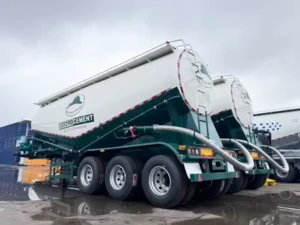
INTAI Trailer has successfully completed the production and delivery of 3 Axle Cement Bulker Trailers, which is prepared for shipment
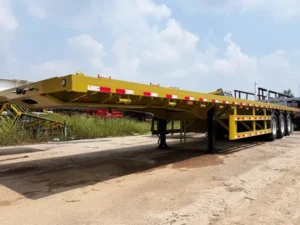
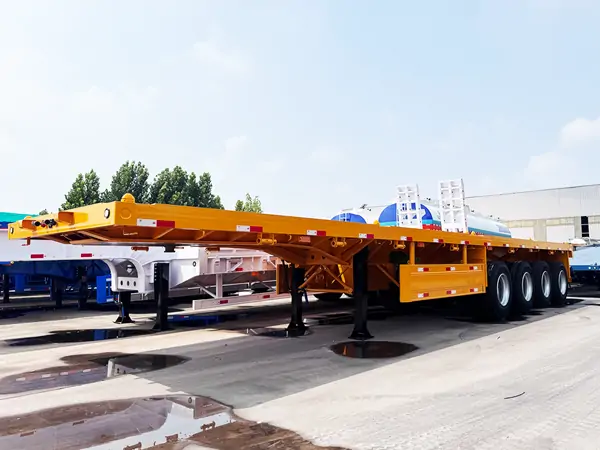
INTAI Trailer recently completed the production and delivery of 3 Axle Flatbed Semi Trailers Shipped To Rwanda, providing a reliable transportation