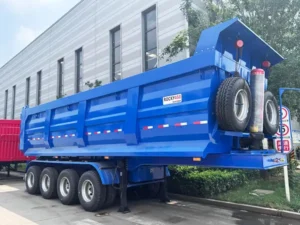
35CBM Tipper Semi Trailer Shipped To Uganda
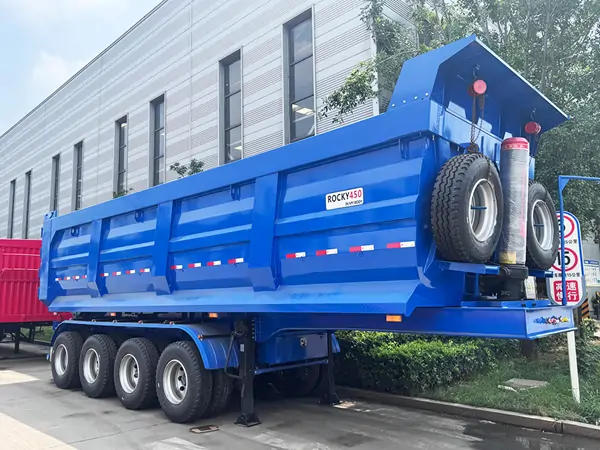
INTAI Trailer has completed the production and shipment preparation of a 35CBM Tipper Semi Trailer for a customer in Uganda.


When it comes to transporting heavy, oversized equipment—ranging from bulldozers and excavators to industrial generators and wind turbine components—lowboy trailers are widely recognized as the most dependable and efficient choice in the heavy-haul industry. Also referred to as low-loaders or double-drop trailers, these specialized vehicles are designed to handle the unique challenges of moving tall, heavy loads that standard flatbeds or step decks simply cannot accommodate. In this article, “Lowboy Trailers: A Comprehensive Guide,” we’ll explore the main advantages of lowboy trailers, how they operate, and the essential factors to consider when selecting the right trailer for your operations—helping you make informed decisions and streamline your heavy-haul logistics.
Lowboy trailers are designed with functionality and efficiency in mind, offering a range of advantages that make them indispensable for businesses in construction, mining, agriculture, and industrial sectors. Here are the most impactful benefits:
The defining feature of a lowboy trailer is its ultra-low deck height—typically 70 to 120 cm off the ground, far lower than the 130 to 150 cm of standard flatbed trailers. This low profile allows you to transport tall equipment (up to 12 feet tall in most regions) while staying within legal height limits (usually 13 feet 6 inches in the U.S.) and avoiding costly over-height permits. For example, an excavator that stands 10 feet tall would exceed height restrictions on a flatbed, but fits easily on a lowboy with room to spare under bridges and overpasses.
By positioning cargo closer to the ground, lowboy trailers create a lower center of gravity, reducing trailer sway by up to 40% compared to standard flatbeds. This stability is critical when transporting top-heavy equipment like cranes or bulldozers, minimizing the risk of tipping during turns, sudden stops, or rough road conditions. Studies show this design can reduce heavy-haul accidents by approximately 22% in high-risk scenarios.
Lowboy trailers are built with robust steel frames and multiple axles (typically 2 to 9 axles) that distribute heavy loads evenly across the trailer and road surface. Standard models can handle 20,000 to 40,000 tons, while custom multi-axle configurations can carry over 200,000 tons—making them ideal for ultra-heavy machinery like drilling rigs or large transformers. This even distribution also reduces stress on roads and bridges, complying with federal bridge formulas and local weight regulations.
Most lowboy trailers—especially removable gooseneck models—allow for easy loading and unloading. RGN trailers let you detach the gooseneck, lower the front deck to the ground, and drive equipment directly onto the trailer, eliminating the need for high ramps or cranes in many cases. Fixed gooseneck models, meanwhile, work well with crane or ramp loading and offer a simpler, low-maintenance design.
While lowboy trailers may have a higher initial cost than standard trailers, their durability and efficiency translate to long-term savings. They reduce the need for special permits (for height), minimize cargo damage (thanks to stable transport), and cut loading/unloading time by up to 40% compared to other heavy-haul options. Additionally, their robust construction means less maintenance and a longer lifespan, even under heavy use.
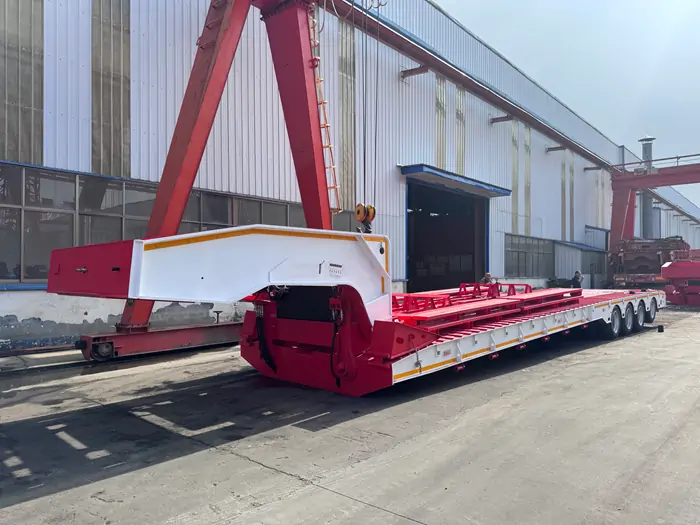
Lowboy trailers operate on a simple yet innovative design principle: Here’s a detailed breakdown of their key components and how they function, from connection to transport:
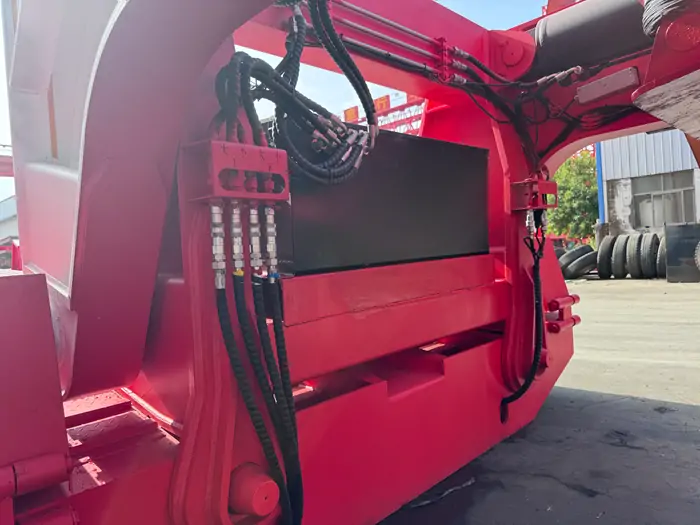
Gooseneck: The front section that connects the trailer to the tractor’s fifth wheel. It comes in two main types: fixed (FGN) and removable (RGN). RGN models use hydraulic cylinders to detach and lower the gooseneck, turning the front deck into a loading ramp.
Axles and Suspension: Multiple axles (2–9) distribute weight, while suspension systems (spring, air-ride, or hydraulic) absorb shocks and adjust deck height. Air-ride suspension offers a smoother ride, extending the trailer’s lifespan, while hydraulic suspension allows for precise height adjustments during loading.
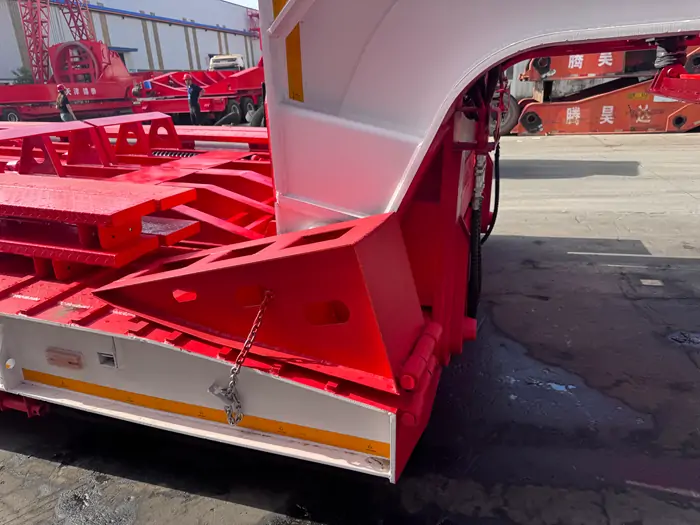
Ramps: Rear or side ramps (fixed or removable) facilitate loading with cranes or for driving equipment onto the deck. RGN models eliminate the need for front ramps by lowering the deck to the ground.
Connection to the Tractor: The gooseneck is attached to the tractor’s fifth wheel, securing the trailer and allowing for steering. For RGN models, the gooseneck is locked into place with hydraulic cylinders before transport.
Loading Preparation: For detached gooseneck trailers, the gooseneck is detached using hydraulic controls, and the front deck is lowered to the ground. For normal models, ramps are positioned at the rear .
Cargo Loading: Heavy equipment is either driven onto the deck . The cargo is secured with chains, straps, or binders to prevent movement during transport.
Transport: Once loaded and secured, the trailer is towed by the tractor. The low center of gravity and even weight distribution ensure stability, while the low deck height keeps the cargo within legal height limits. Drivers can adjust suspension height to navigate rough terrain or steep inclines.
Unloading: The process is reversed—detached goosenecks are reattached (or the deck is lowered again) to unload equipment, while normal models use ramps or cranes to remove cargo.
Choosing the right lowboy trailer depends on your specific cargo needs, operational conditions, and budget. Rushing this decision can lead to inefficiencies, safety risks, or costly upgrades down the line. Follow these key steps to select the perfect lowboy trailer for your business:
The first and most critical step is to identify the details of the cargo you’ll be hauling:
Weight: Calculate the total weight of your heaviest cargo (including any attachments). This determines the number of axles you need—more weight requires more axles to comply with weight regulations. For example, cargo over 80,000 tons will likely need a 4-axle or more lowboy.
Height and Dimensions: Measure the height, length, and width of your cargo. If your equipment is over 10 feet 6 inches tall, a lowboy is essential (step decks work for 8’11”–10’6” tall cargo). Extendable lowboy trailers are ideal for long cargo like beams or wind turbine parts, as they can stretch an additional 10–15 feet.
Loading Method: If you’re hauling self-propelled equipment (excavators, bulldozers), an RGN lowboy is best for drive-on loading. For static cargo (generators, transformers) that requires cranes, an FGN model may be more cost-effective.
The gooseneck type dictates loading efficiency and versatility—select based on your cargo and operational needs:
Fixed Gooseneck (FGN): Best for businesses that use cranes or ramps for loading. FGN models are lighter, simpler, and require less maintenance, but they can’t be detached for front loading. They’re ideal for consistent, non-oversized heavy cargo.
Hydraulic Detachable Gooseneck (HRGN): The most popular and versatile option. HRGN models use hydraulic cylinders to detach the gooseneck quickly, allowing for easy drive-on loading. They’re perfect for construction companies hauling multiple types of self-propelled equipment, though they’re heavier and more expensive than FGN models.
Suspension and axles directly impact stability, ride quality, and compliance:
Suspension: Air-ride suspension is ideal for fragile or expensive equipment, as it absorbs shocks and reduces cargo damage. Spring suspension is more affordable but offers a rougher ride and may add stress to the trailer frame. Hydraulic suspension is best for off-road or rough terrain, as it allows for wide axle movement and height adjustment.
Axle Configuration: 2-axle lowboys are for lighter loads (up to 30,000 tons), while 3–5 axle models handle medium to heavy loads (40,000–80,000 tons). For ultra-heavy cargo (over 80,000 tons), 6+ axle configurations are necessary to distribute weight evenly and comply with road regulations.
Where and how you’ll use the trailer matters:
Terrain: If you’ll be driving on rough, off-road sites (mining, construction), choose a lowboy with heavy-duty tires, hydraulic suspension, and a durable frame. For highway-only transport, air-ride suspension and standard tires are sufficient.
Regulations: Check local and federal weight, height, and width regulations. Some regions have stricter axle weight limits, requiring additional axles or permits. Extendable lowboys may need over-length permits for certain cargo.
While budget is important, prioritize durability and long-term value. A cheaper, lower-quality lowboy may save money upfront but will require more maintenance and replacement parts over time. Look for trailers made with high-grade steel frames, reliable axles, and reputable suspension systems.
Lowboy trailers are the backbone of heavy-haul transportation, offering unmatched versatility, safety, and efficiency for oversized, heavy cargo. By understanding their advantages, how they work, and what to look for when choosing one, you can select a trailer that aligns with your business needs, complies with regulations, and optimizes your operations. Whether you’re hauling construction equipment, industrial machinery, or energy components, a well-chosen lowboy trailer will help you get the job done safely, efficiently, and cost-effectively.
For more insights on heavy-haul equipment, trailer maintenance, and industry best practices, stay tuned to our blog—or contact our team of experts to help you find the perfect lowboy trailer for your specific needs.
INTAI Trailer has completed the production and shipment preparation of a 35CBM Tipper Semi Trailer for a customer in Uganda.
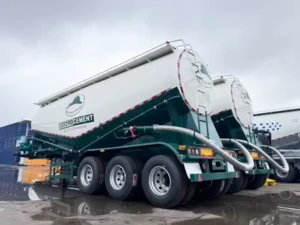
INTAI Trailer has successfully completed the production and delivery of 3 Axle Cement Bulker Trailers, which is prepared for shipment
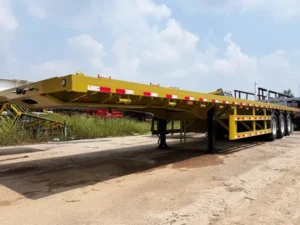
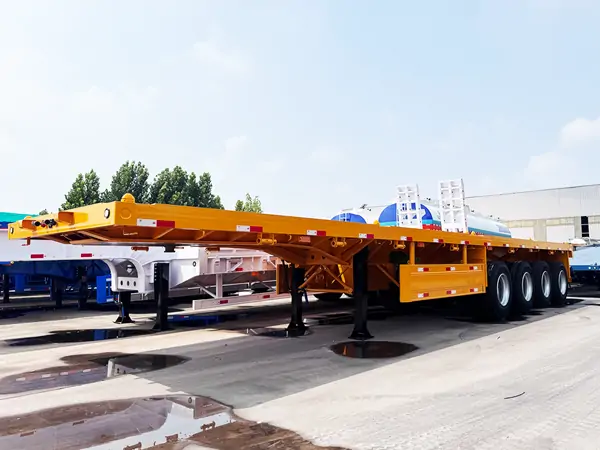
INTAI Trailer recently completed the production and delivery of 3 Axle Flatbed Semi Trailers Shipped To Rwanda, providing a reliable transportation