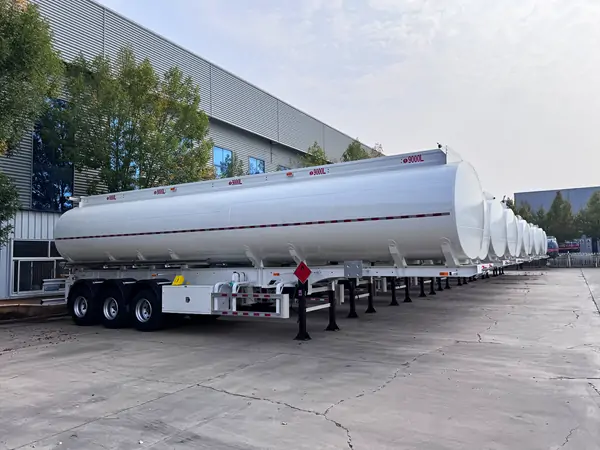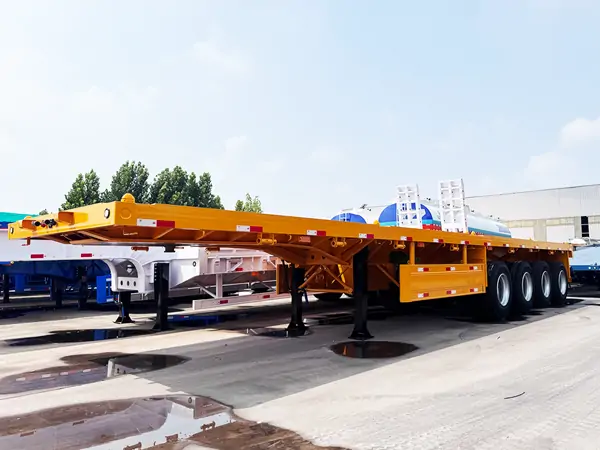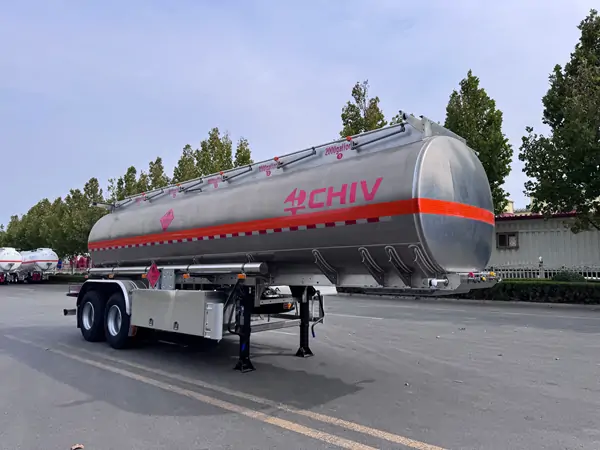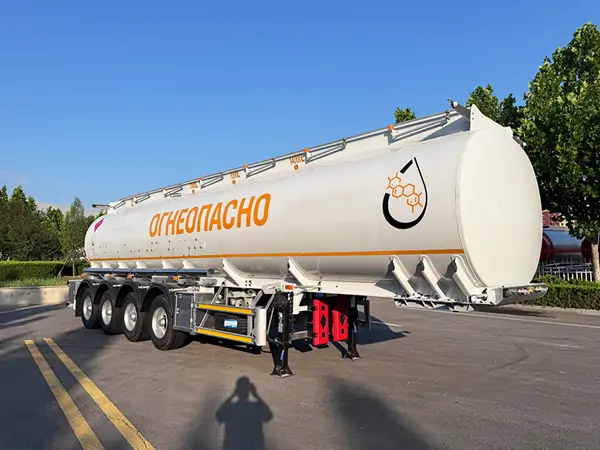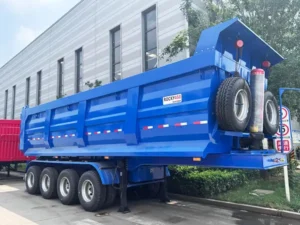
35CBM Tipper Semi Trailer Shipped To Uganda
INTAI Trailer has completed the production and shipment preparation of a 35CBM Tipper Semi Trailer for a customer in Uganda.


Trailer axles are the foundation of every semi-trailer. Trailer axles support the vehicle’s weight and distribute cargo loads evenly. They play a critical role in braking performance, driving stability, tire wear, and transportation safety. Whether transporting shipping containers, fuel, bulk cement, construction machinery, or agricultural products, the right axle configuration improves operating efficiency and reduces maintenance costs.
As the global logistics industry continues to expand, fleet operators are paying closer attention to the Different Types of Trailer Axles before investing in new equipment. According to industry estimates, trailer axles and suspension systems account for nearly 30% of a trailer’s structural performance, making them one of the most important components for long-term reliability. High-quality axle systems can also reduce maintenance expenses by up to 20% over the trailer’s service life.
As a professional semi-trailer manufacturer, INTAI equips every trailer with factory-installed INTAI axles. Each axle is specifically engineered to match its trailer model. This ensures excellent durability, enhanced safety, and reliable operating performance for customers worldwide.
Many buyers focus primarily on trailer dimensions and payload capacity while overlooking the importance of the axle system. In reality, trailer axles determine how effectively a vehicle handles heavy loads, uneven road conditions, emergency braking, and long-distance transportation.
A properly matched axle configuration improves weight distribution across the chassis, helping reduce stress on the frame, suspension, and tires. Better load balance also enhances braking performance and vehicle stability, particularly when operating at highway speeds or carrying heavy cargo over long distances.
For logistics companies managing large fleets, investing in high-quality trailer axles means fewer breakdowns, lower maintenance costs, longer tire life, and higher transportation efficiency throughout the trailer’s operating life.
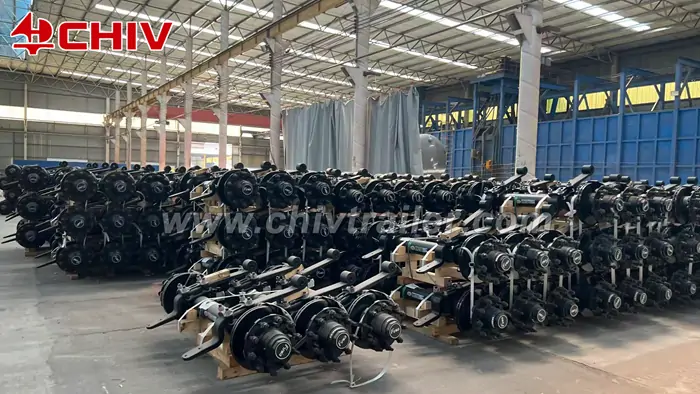
Different transportation applications require different axle configurations. Selecting the right design depends on cargo weight, road regulations, transportation distance, and operating conditions.
Single axle trailers are designed for light-duty transportation where payload requirements remain relatively low. With only one axle supporting the trailer, they offer a lightweight structure that is easy to maneuver and inexpensive to maintain.
These trailers are commonly used for utility trailers, agricultural equipment, and small machinery transportation. Although they provide lower operating costs, their carrying capacity is limited compared with multi-axle configurations, making them less suitable for commercial heavy-duty logistics.
Tandem axle trailers feature two closely positioned axles that distribute cargo more evenly across the chassis. This configuration has become a popular choice for regional freight transportation because it offers an excellent balance between payload capacity, driving stability, and operating costs.
Compared with single axle trailers, tandem axle models provide improved braking performance, greater resistance to tire wear, and smoother handling on uneven roads. Many flatbed trailers, box trailers, and medium-duty transport equipment use tandem axles for payloads ranging from 20 to 35 tons.
Tri-axle trailers are the industry standard for heavy-duty commercial transportation. By distributing weight across three axles, they allow significantly larger payloads while maintaining compliance with highway axle-load regulations.
This configuration is widely used on:
Depending on regional regulations, tri-axle trailers can typically carry 40 to 60 tons of cargo while providing excellent stability during long-distance transportation.
The additional axle also reduces stress on individual tires and suspension components, extending service life and lowering maintenance costs for fleet operators.
When transporting oversized industrial equipment, standard axle configurations are no longer sufficient. Heavy haul trailers often utilize four, five, six, or even more axle lines to distribute extremely heavy loads across the road surface.
These trailers are commonly used for transporting mining equipment, transformers, wind turbine components, excavators, and other oversized cargo. Multiple axles improve stability while helping operators comply with legal weight restrictions, allowing some specialized trailers to transport loads exceeding 100 tons safely.
Trailer axles can also be classified according to their steering capability. Fixed axles remain the most common design in commercial transportation because of their simple construction, excellent durability, and low maintenance requirements. They are widely installed on container trailers, fuel tankers, flatbed trailers, and bulk cargo trailers operating on highways.
Steering axles, by comparison, rotate during turning to reduce tire scrubbing and improve maneuverability. They are commonly used on extendable trailers and heavy-haul equipment where navigating tight construction sites or restricted roadways is essential. Although steering axle systems are more complex, they significantly reduce tire wear and improve operational flexibility.
The suspension system works together with the axle to determine overall trailer performance. Mechanical suspension remains the preferred choice for many developing markets because of its robust construction, affordability, and ease of maintenance. It performs reliably under rough road conditions and is widely used throughout Africa, Central Asia, and South America.
Air suspension systems have become increasingly popular for long-distance transportation and premium logistics applications. By using compressed air instead of traditional leaf springs, air suspension absorbs road vibration more effectively, providing smoother transportation for sensitive cargo while reducing stress on both the trailer structure and its axle components. The improved ride quality also contributes to longer tire life and better fuel efficiency over extended operating periods.
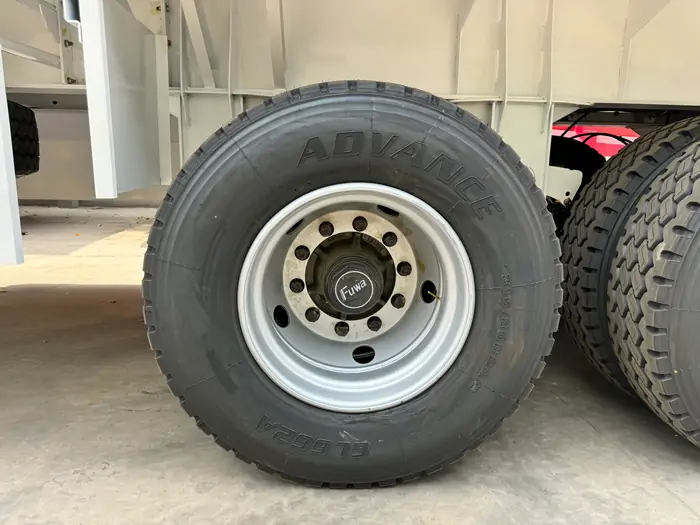
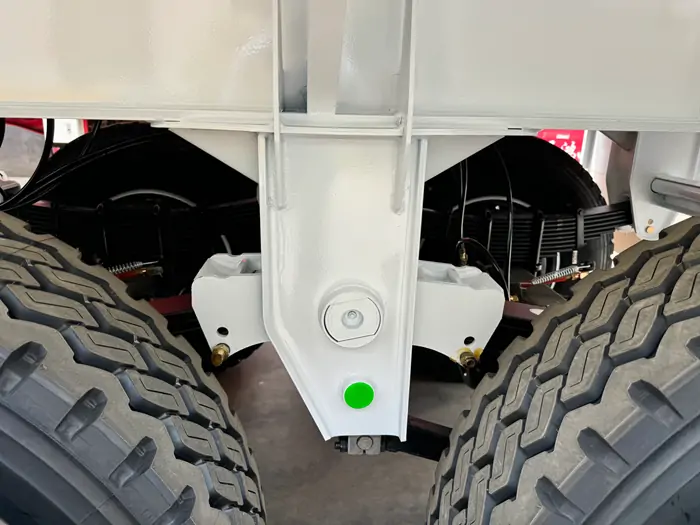
Unlike many manufacturers that source standard aftermarket axles, INTAI designs its trailers around factory-installed INTAI axle systems. Every axle is engineered together with the trailer frame, suspension, braking system, and payload requirements to ensure maximum compatibility and long-term reliability.
INTAI trailer axles are manufactured using high-strength alloy steel and advanced heat-treatment technology to improve structural strength and fatigue resistance. Precision CNC machining ensures accurate spindle dimensions and proper bearing alignment. Every trailer also undergoes strict factory inspections before delivery. These inspections verify welding quality, braking performance, axle geometry, and load-bearing capacity.
This integrated manufacturing approach delivers several important advantages:
INTAI factory-equipped axles are ideal for container logistics, fuel transportation, mining, construction, and bulk cargo delivery. They provide reliable performance in demanding operating conditions. This helps maximize fleet uptime while reducing operating costs.
Choosing among the Different Types of Trailer Axles requires more than simply considering payload capacity. Buyers should evaluate road conditions, transportation distance, cargo characteristics, local regulations, and future maintenance requirements before making a purchasing decision.
Light-duty applications generally perform well with single axle trailers, while regional freight operations often benefit from tandem axle configurations. For international logistics and heavy commercial transportation, tri-axle trailers remain the preferred solution because they offer an ideal balance between payload capacity, stability, and operating efficiency. Oversized industrial projects, however, require specialized multi-axle trailers capable of safely transporting exceptionally heavy equipment.
Working with an experienced manufacturer helps you choose the right axle specifications. It also ensures the suspension system and braking components are properly matched. This improves transportation safety and reduces long-term operating costs.
Understanding the Different Types of Trailer Axles is essential for anyone investing in commercial transportation equipment. Selecting the correct axle system not only improves transportation safety and efficiency but also reduces maintenance costs and extends the service life of the entire trailer. As a trusted semi-trailer manufacturer, INTAI is committed to delivering complete transportation solutions built around high-quality, factory-equipped axle systems. Need expert guidance on Trailer Axles? Contact INTAI today to find the right axle solution for your transportation needs.
INTAI Trailer has completed the production and shipment preparation of a 35CBM Tipper Semi Trailer for a customer in Uganda.
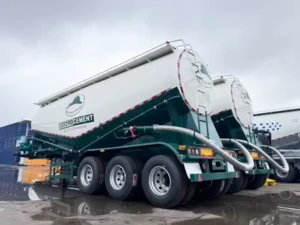
INTAI Trailer has successfully completed the production and delivery of 3 Axle Cement Bulker Trailers, which is prepared for shipment
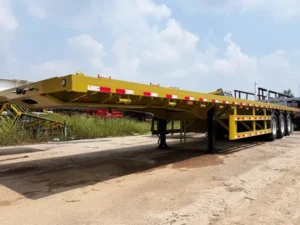
INTAI Trailer recently completed the production and delivery of 3 Axle Flatbed Semi Trailers Shipped To Rwanda, providing a reliable transportation