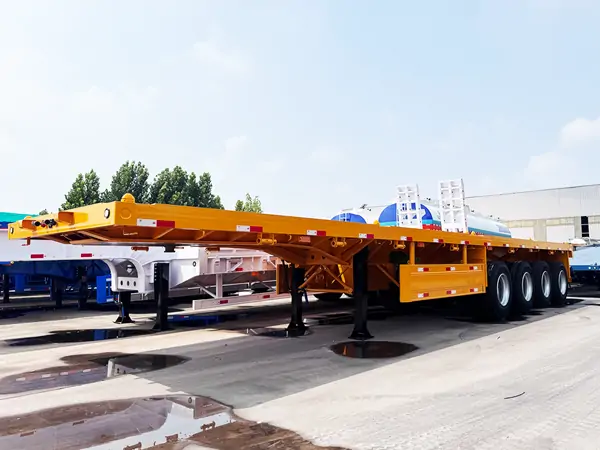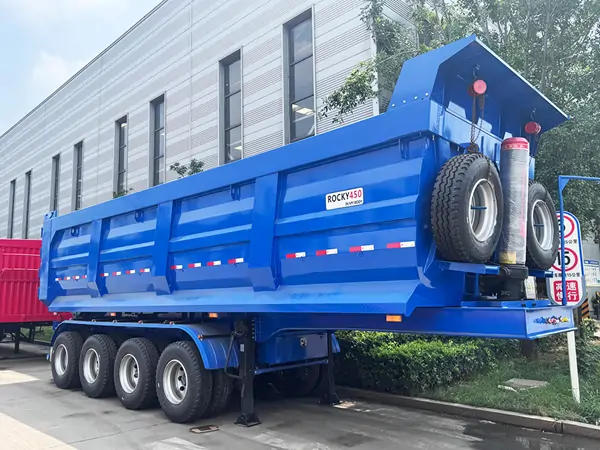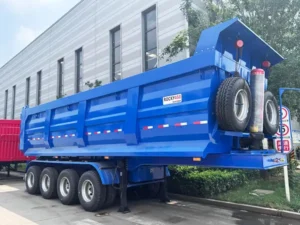
35CBM Tipper Semi Trailer Shipped To Uganda
INTAI Trailer has completed the production and shipment preparation of a 35CBM Tipper Semi Trailer for a customer in Uganda.


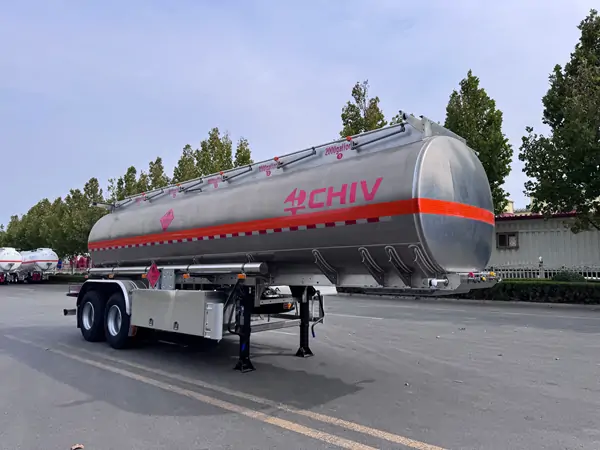
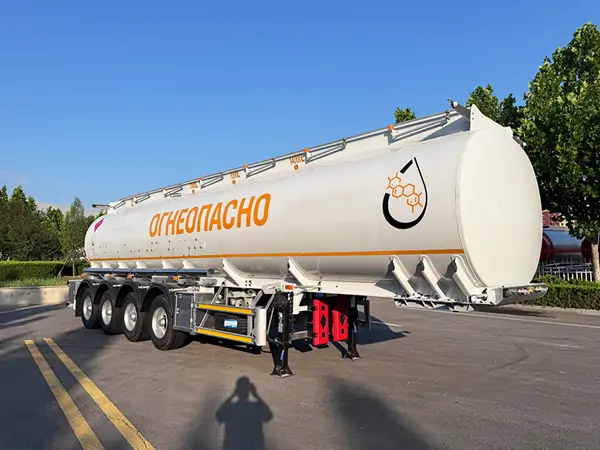
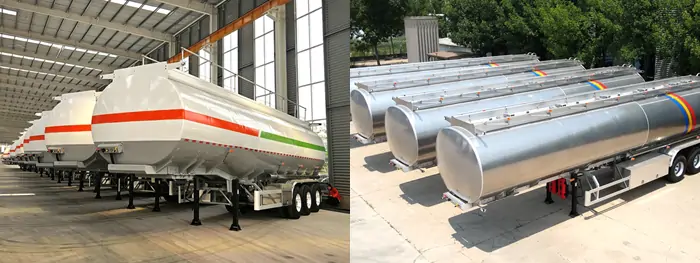
When analyzing the quote for a new tanker trailer, you will notice that two trailers with the same capacity can have a price gap of thousands of dollars. The final cost is determined by a combination of material choices, structural engineering, and component brands.
Here is a detailed breakdown of the key factors that drive the cost of a INTAI Tanker Trailer price.
The material of the tank shell is the single biggest factor in the base cost, as it dictates what type of cargo the trailer can legally and safely carry:
Single-compartment tanks have the lowest manufacturing cost. However, some logistics operations require the simultaneous transport of different grades of fuel or different liquids. In such cases, multi-compartment units are necessary. These units can include 3, 4, 5, or even more compartments. Multi-compartment designs can significantly improve transport efficiency.
Each additional compartment requires internal baffles, separate piping configurations, and individual drain valves, which typically increases the final tanker trailer price per compartment.
The choice of axles heavily influences both the upfront price and the long-term maintenance cost. Buyers generally choose from three tiers of axle brands:
Understanding the Different Types of Trailer Axles
The suspension system affects how the trailer handles rough terrain and protects the tank structure from stress cracks:
Running gear customization allows buyers to fine-tune their budget based on weight and durability requirements:
Tire Specifications: Tire prices vary depending on the brand and size. Customers can refer to the most common tire models in their area for better efficiency when replacing or repairing tires later.
Wheel Hub Material: Choosing Steel Hubs is the standard, economical option for heavy-duty hauling. Upgrading to Aluminum Alloy Hubs increases the initial cost but significantly reduces the trailer’s dead weight, improves fuel economy, and offers better heat dissipation for the braking system.
Advanced technical configurations and additional equipment significantly improve the safety, stability, and operational efficiency of tanker semi-trailers. This improvement also leads to an increase in the tanker trailer price accordingly.
Pump-In / Pump-Out Systems: Pumping in/pumping out system: Adding a dedicated PTO pump, diesel-driven or electric pump can speed up the bottom loading/unloading process.
Vapor Recovery System: An important environmental protection feature is its ability to capture harmful gases during loading and unloading and return them to the storage tanker instead of releasing them into the atmosphere. This is particularly useful in countries with high emission standards.
Overfill Prevention System: This system is typically used in conjunction with an oil and gas recovery system. An electronic safety system equipped with optical sensors and probes automatically shuts off the loading process when the liquid reaches its maximum capacity, preventing dangerous spills.
Are you planning a procurement project for fuel tankers, chemical units, LPG or LNG trailers?
Contact our technical sales team today to receive a detailed, line-item commercial quotation tailored to your exact logistics needs!
INTAI Trailer has completed the production and shipment preparation of a 35CBM Tipper Semi Trailer for a customer in Uganda.
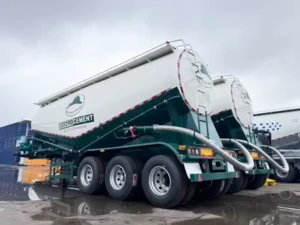
INTAI Trailer has successfully completed the production and delivery of 3 Axle Cement Bulker Trailers, which is prepared for shipment
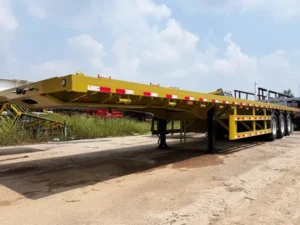
INTAI Trailer recently completed the production and delivery of 3 Axle Flatbed Semi Trailers Shipped To Rwanda, providing a reliable transportation