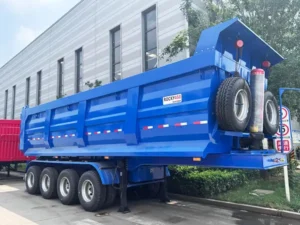
35CBM Tipper Semi Trailer Shipped To Uganda
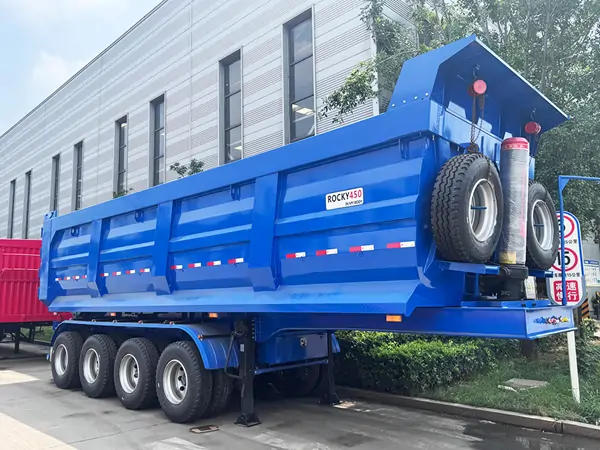
INTAI Trailer has completed the production and shipment preparation of a 35CBM Tipper Semi Trailer for a customer in Uganda.


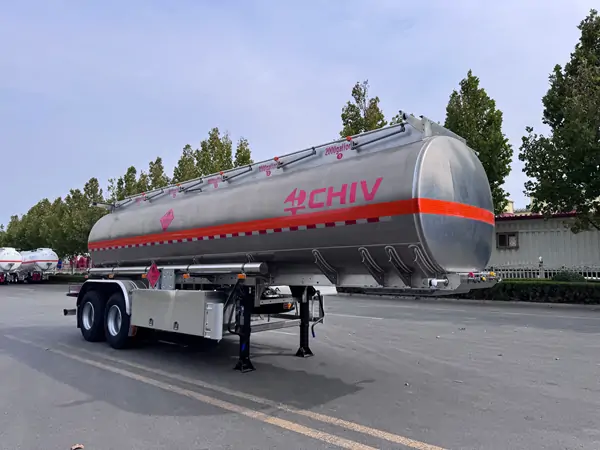
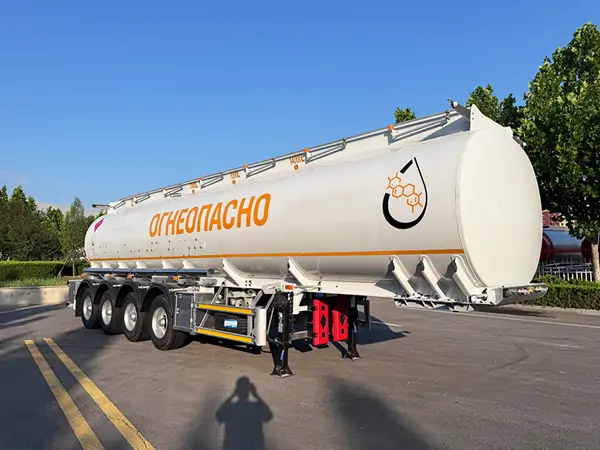
When expanding or upgrading your commercial fleet, one of the most critical decisions you will face is selecting the right material for your tanker trailers. The choice between Carbon Steel and Aluminum Alloy impacts not only your initial upfront investment but also your long-term ROI, payload capacity, fuel efficiency, and maintenance schedule.
Both materials offer distinct operational advantages. To help fleet managers and logistics buyers make a cost-effective choice, we have broken down the performance, durability, and financial metrics of Carbon Steel Tanker Trailers VS Aluminum Tanker Trailers.
| Feature | Carbon Steel Tanker Trailer | Aluminum Tanker Trailer |
| Tare Weight (Tare Mass) | Higher (Heavier build) | Lower (~30% to 40% lighter) |
| Payload Capacity | Standard | Higher (Maximizes legal weight limits) |
| Initial Purchase Cost | Lower (Budget-friendly) | Higher initial investment |
| Corrosion Resistance | Moderate (Requires protective coating) | Superior (Natural oxide layer) |
| Structural Strength | Extremely high tensile strength | High strength-to-weight ratio |
| Resale Value | Moderate | High |
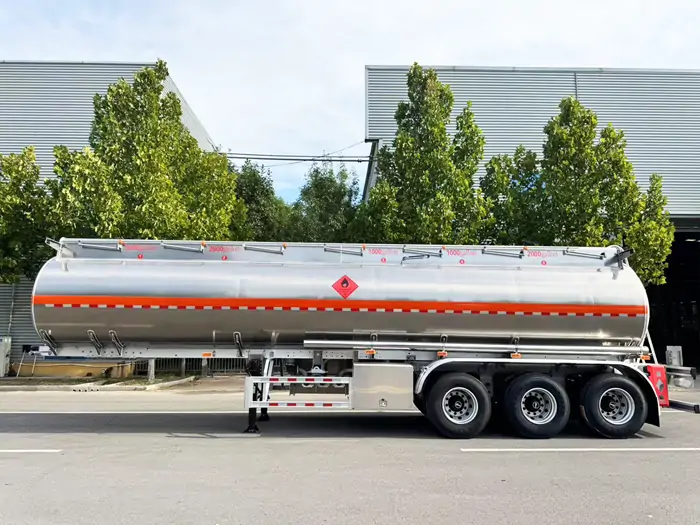
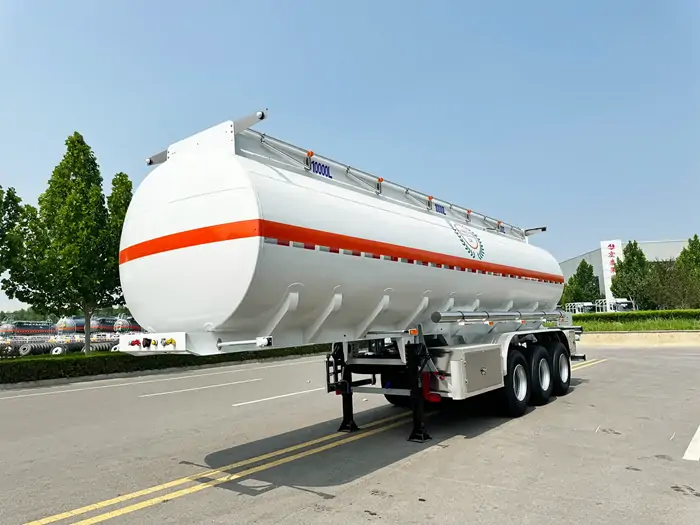
In the liquid logistics industry, weight directly dictates revenue. Every kilogram reduced from the trailer’s tare weight translates into an additional kilogram of cargo you can legally transport.
Making the right purchase decision requires evaluating the Total Cost of Ownership (TCO), not just the purchase price tag.
Carbon Steel: Significantly lower upfront cost. If your business has strict initial capital limitations or requires custom heavy-duty modifications without a massive budget, carbon steel is an accessible choice.
Aluminum: Higher initial purchase price due to raw material costs and specialized welding processes (such as TIG/MIG aluminum welding).
Fuel Economy: Lighter aluminum trailers reduce tractor unit engine strain and cut fleet fuel consumption over long distances.
Maintenance Costs: Aluminum trailers do not require routine exterior repainting, lowering long-term maintenance costs.
Resale Value: Due to material longevity and scrap value, aluminum tankers retain higher market value in the used equipment market.
Whether you need custom tank compartments, specific discharge systems, or specialized axle setups, our engineering team is ready to assist you.
INTAI Trailer has completed the production and shipment preparation of a 35CBM Tipper Semi Trailer for a customer in Uganda.
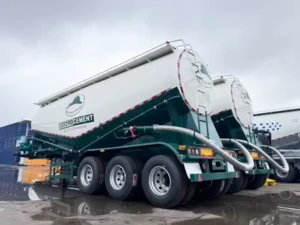
INTAI Trailer has successfully completed the production and delivery of 3 Axle Cement Bulker Trailers, which is prepared for shipment
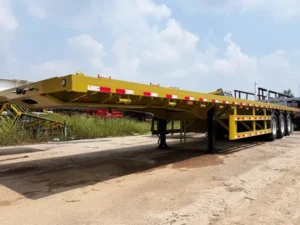
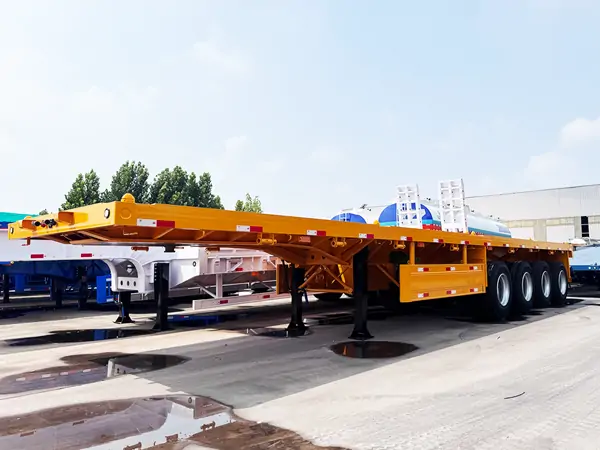
INTAI Trailer recently completed the production and delivery of 3 Axle Flatbed Semi Trailers Shipped To Rwanda, providing a reliable transportation