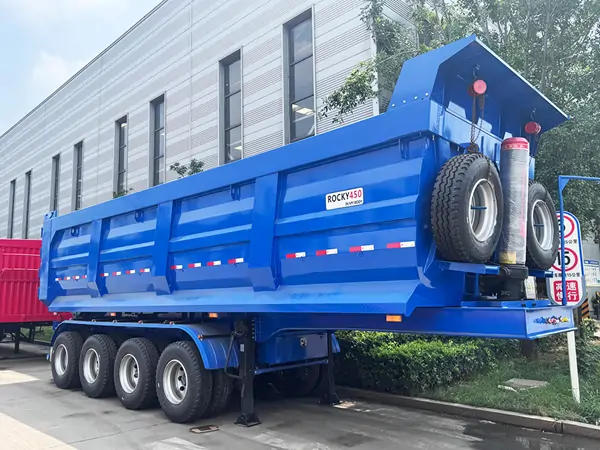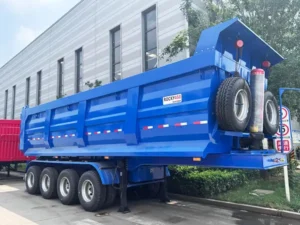
35CBM Tipper Semi Trailer Shipped To Uganda
INTAI Trailer has completed the production and shipment preparation of a 35CBM Tipper Semi Trailer for a customer in Uganda.


When buying a semi-trailer for heavy haulage, mining, or cross-border logistics, one metric dictates your long-term ROI: Chassis Strength.
The chassis is the backbone of your trailer. It carries 100% of the payload, absorbs severe road impacts, and resists torsional flexing under maximum load capacity. Understanding how chassis strength is engineered—and what high-strength steel grade to look for—ensures you choose a trailer built for durability, safety, and zero structural failure.
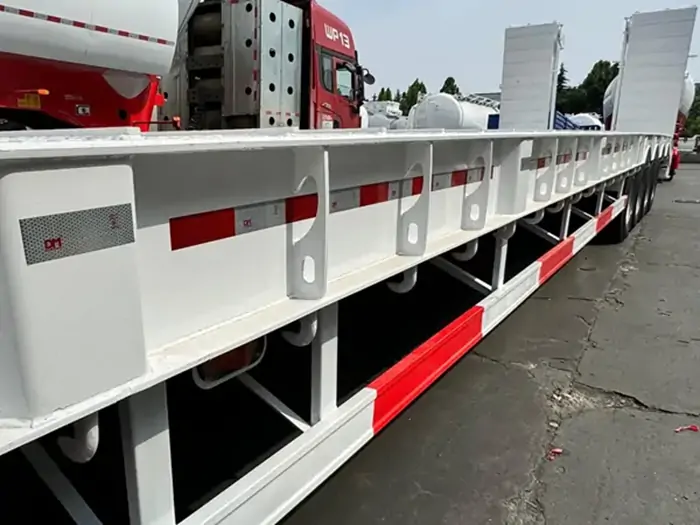
Chassis strength depends on four core engineering pillars: Material Grade, Structural Design, Submerged Arc Welding Quality, and Crossmember Layout.
The structural integrity of a semi-trailer main beam depends on the steel grade used in manufacturing:
High-Strength Manganese Steel (Q345B / Q355B): The global standard for heavy-duty flatbed, lowbed, and side-wall trailers. Yield strength reaches 345 MPa, offering an ideal balance between flexibility and rigidity.
Extra High-Tensile Steel (T700): Used for heavy-haulage lowbed and dump semi trailers. Yield strength exceeds 700 MPa, allowing manufacturers to lower tare weight without sacrificing structural integrity.
The main beam carries the majority of vertical bending forces. High-strength chassis designs utilize:
When navigating uneven off-road conditions or sharp turns, a trailer experiences intense twisting forces (torsion). Chassis strength relies on strategically placed through-going crossmembers (channel steel or tubular steel) that lock the parallel main beams together, preventing side-frame twisting and weld cracking.
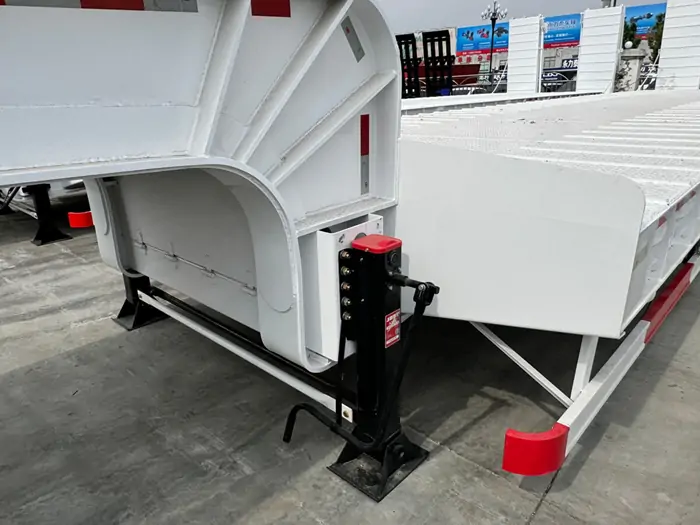
Sourcing heavy transport equipment directly from an established manufacturing facility provides distinct commercial and technical advantages:
Every region presents unique transport challenges. Factory engineers customize main beam thickness, suspension reinforcement, and pin plate structures based on your axle load regulations and road quality.
Every batch of steel raw materials undergoes factory yield testing to guarantee authentic Q345B/T700 standards—eliminating sub-standard materials that risk premature chassis snapping.
Explore tailored chassis solutions or specs: Please feel free to contact us.
INTAI Trailer has completed the production and shipment preparation of a 35CBM Tipper Semi Trailer for a customer in Uganda.
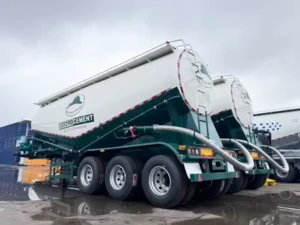
INTAI Trailer has successfully completed the production and delivery of 3 Axle Cement Bulker Trailers, which is prepared for shipment
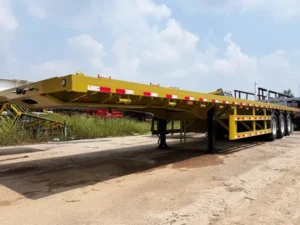
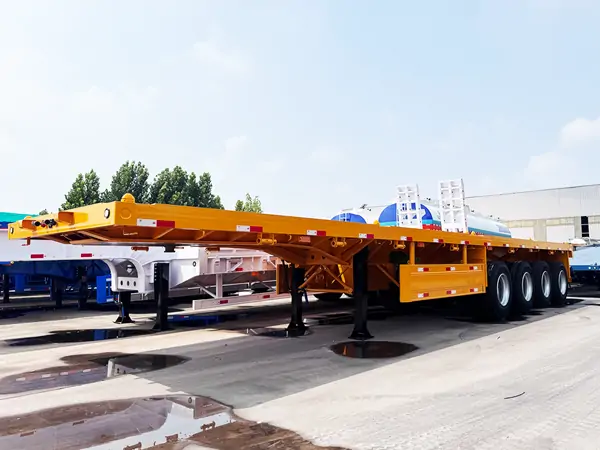
INTAI Trailer recently completed the production and delivery of 3 Axle Flatbed Semi Trailers Shipped To Rwanda, providing a reliable transportation