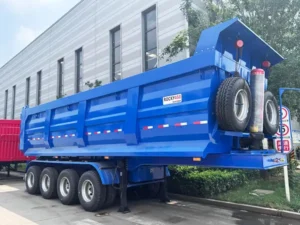
35CBM Tipper Semi Trailer Shipped To Uganda
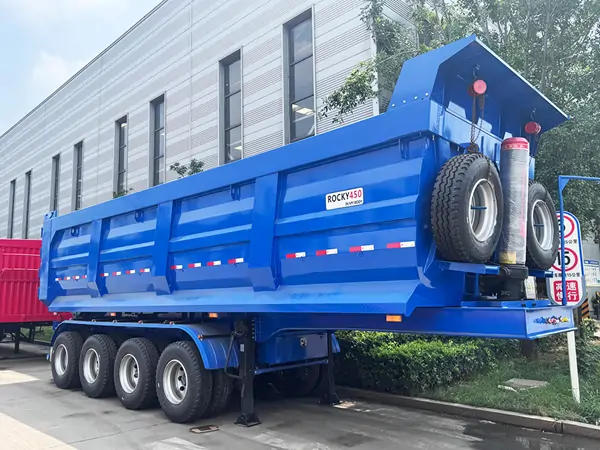
INTAI Trailer has completed the production and shipment preparation of a 35CBM Tipper Semi Trailer for a customer in Uganda.


Fuel transportation is one of the most essential and tightly regulated sectors within the logistics and transportation industry. Because petroleum, diesel, and other liquid fuels are highly flammable and volatile, maintaining strict safety standards throughout the journey is crucial to transport fuel safely. For fleet owners, logistics managers, and transport companies, implementing rigorous safety procedures and selecting reliable equipment can significantly reduce risks and safeguard valuable assets.
As a leading manufacturer with over 20 years of production experience, we have compiled this comprehensive guide on how to transport fuel safely, detailing everything from trailer specifications to operational best practices.
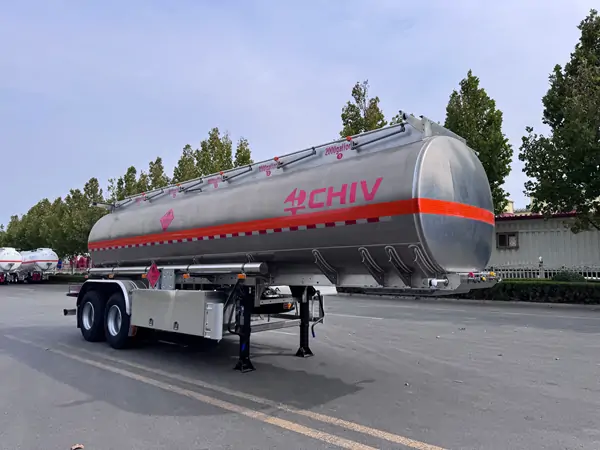
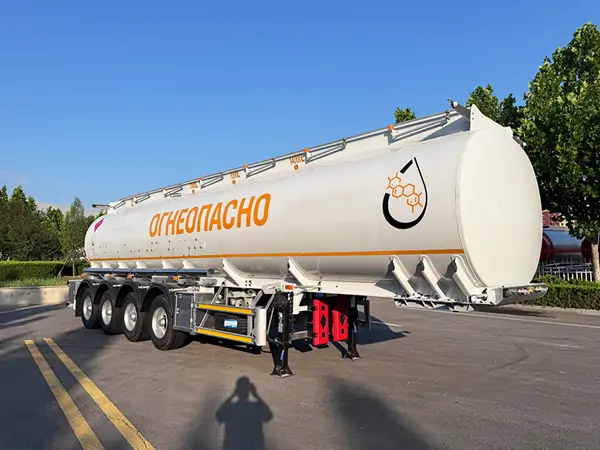
The foundation of safe fuel transport begins with the tank container itself. The chemical and physical properties of the fuel dictate the material selection of the trailer:
When a tank trailer is in motion—especially during braking or cornering—the liquid fuel inside shifts dynamically, creating massive kinetic forces known as “surge.” If left unmanaged, liquid surge can cause jackknifing or rollovers.
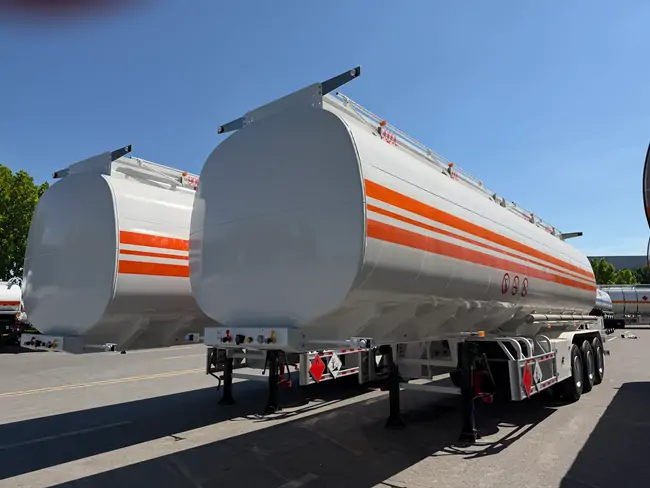
Modern safe fuel transportation relies heavily on a closed-loop system often referred to as the Euro-Standard API System. This system minimizes human exposure, prevents vapor escape, and eliminates static electricity risks.
| Safety Component | Primary Function | Safety Benefit |
| API Bottom Loading Valve (Standard configuration) | Allows fuel to be loaded from the bottom of the tank rather than the top. | Eliminates static generation from falling liquid and prevents toxic vapor emission. |
| Vapor Recovery System(Optional) | Captures and diverts displaced fuel vapors back to the terminal storage. | Reduces environmental pollution and eliminates explosion hazards around the vehicle. |
| Overfill Prevention System(Optional) | Uses optical sensors to detect fuel levels during loading. | Automatically cuts off fuel flow when the tank reaches 95-98% capacity to prevent spillages. |
| Emergency Valve (Standard configuration) | Positioned at the bottom inside the tank, operated pneumatically. | In the event of a rear-end collision or piping rupture, the valve automatically seals the tank to prevent catastrophic fuel leaks. |
Static electricity is the hidden enemy of fuel transportation. A single spark can ignite fuel vapors instantly. Safe operations require redundant grounding mechanisms:
Even the highest-quality fuel tanker requires rigorous maintenance to ensure long-term operational safety. Fleet operators should enforce strict daily checklists:
Transport fuel safely is a combination of disciplined operational protocols and uncompromising equipment engineering. Investing in high-quality, precision-engineered fuel tanker trailers is the most reliable way to protect your drivers, your cargo, and your business reputation.
At our China-based manufacturing facility, we bring over 20 years of production experience to the global market. We specialize in designing and manufacturing highly customized carbon steel, aluminum, and stainless steel fuel tankers tailored to international safety standards.
Looking to upgrade your fuel transport fleet with maximum cost-effectiveness and safety?
INTAI Trailer has completed the production and shipment preparation of a 35CBM Tipper Semi Trailer for a customer in Uganda.
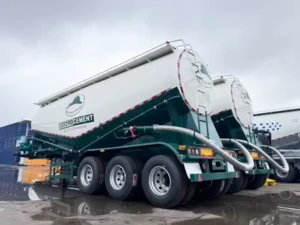
INTAI Trailer has successfully completed the production and delivery of 3 Axle Cement Bulker Trailers, which is prepared for shipment
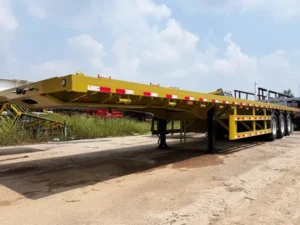
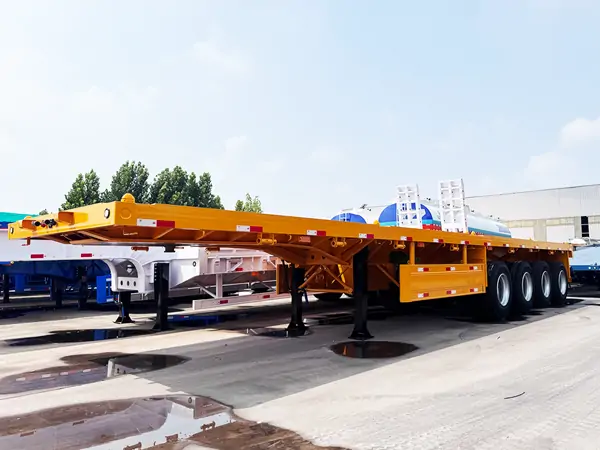
INTAI Trailer recently completed the production and delivery of 3 Axle Flatbed Semi Trailers Shipped To Rwanda, providing a reliable transportation