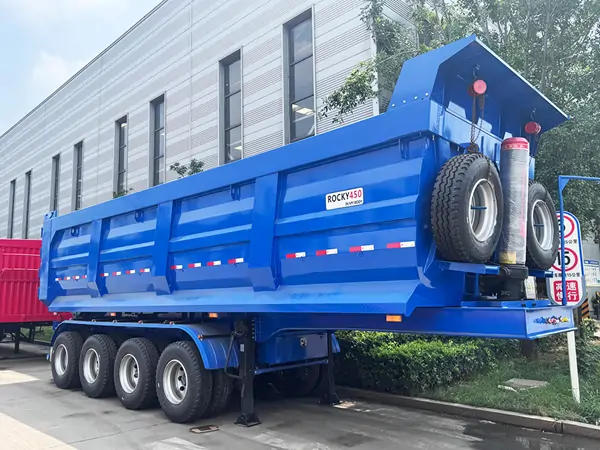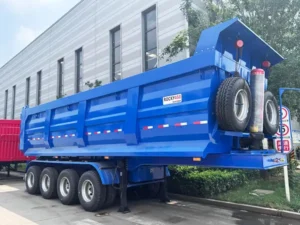
35CBM Tipper Semi Trailer Shipped To Uganda
INTAI Trailer has completed the production and shipment preparation of a 35CBM Tipper Semi Trailer for a customer in Uganda.


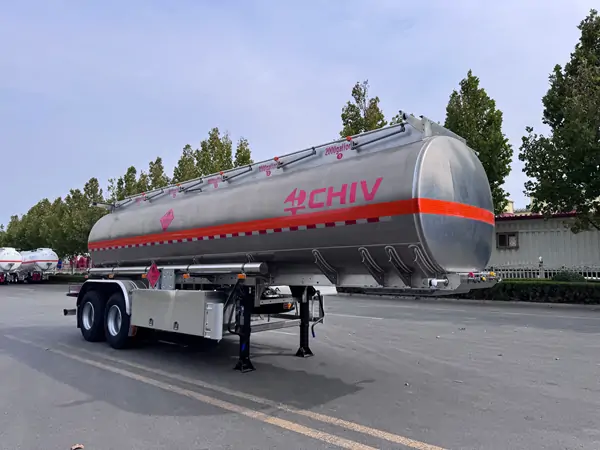
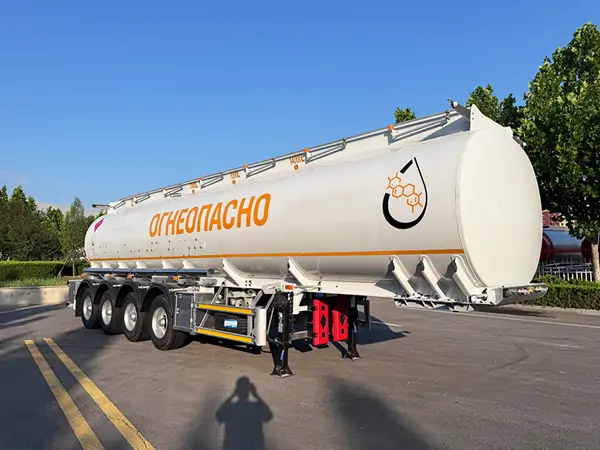
Comprehensive Analysis of Fuel Tank Trailer Structure: Design, Safety, and Core Components Explained
Overview: Tank semi-trailers (also known as tank transport semi-trailers) are key equipment in liquid cargo logistics systems, specifically designed for the safe and efficient transport of fuel oil, chemical liquids, and food-grade liquids. This article provides an in-depth analysis of its engineering structure, safety design principles, and the functions of each system, offering comprehensive technical reference for professionals in the fuel transportation industry, procurement personnel, and engineering technicians.
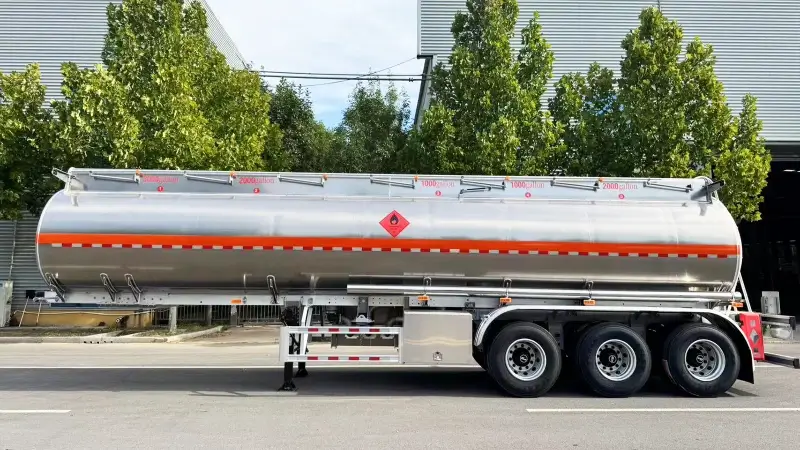
I. Tank Assembly: Precision-Designed Pressure Vessel System
1.1 Tank Structure and Geometric Design
Circular, elliptical, square-round, and rectangular-round cross-sections are the four most common cross-sectional designs for oil tank trailers. The tank uses a circular arc cross-section; this streamlined structure effectively reduces the “water hammer effect” caused by liquid sloshing, improving driving stability and optimizing stress distribution.
Breakproof System: Multiple perforated transverse baffles are welded inside the tank to reduce the impact of liquid on the tank during vehicle acceleration, braking, and turning, improving the stability of the oil tank trailer during maneuvers.
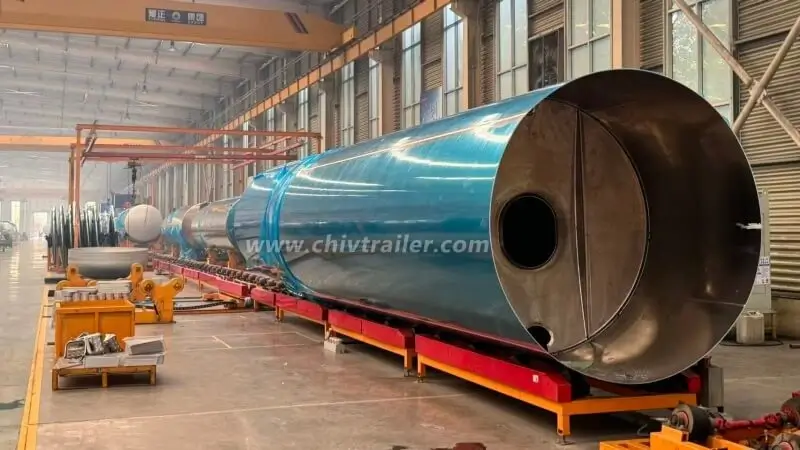
Multi-compartment configuration: The tank body can be divided into multiple independent sealed compartments. Factories typically support customization of 1-9 compartments, supporting the simultaneous transport of various oil or chemical liquids and avoiding cross-contamination.
1.2 Materials Science and Manufacturing Process
Material Selection:
Carbon Steel Tank Body: Made of high-strength low-alloy steel such as Q345, with epoxy anti-corrosion treatment on the inner wall, suitable for fuel transportation.
Stainless Steel Tank Body: 304/316L food-grade stainless steel, highly corrosion-resistant, used for chemical and food liquid transportation.
Aluminum Alloy Tank Body: Lightweight and highly corrosion-resistant, making it a preferred material in the trend of lightweighting.
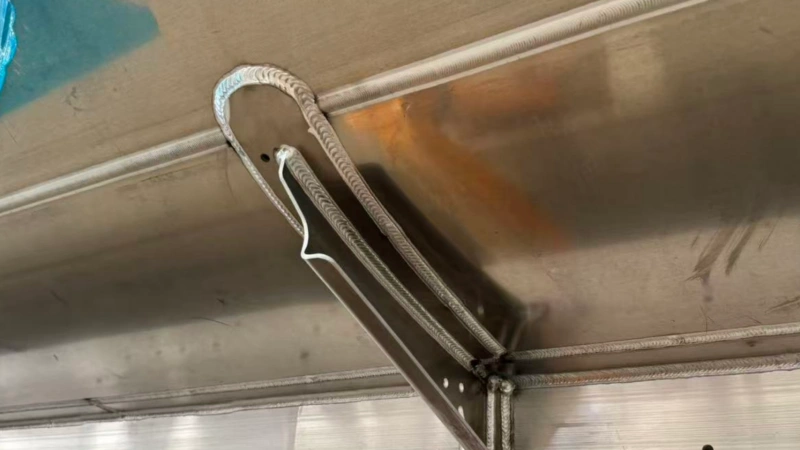
Welding Technology: Employing dual-gun automatic welding, automated ion welding, and argon arc welding processes, combined with X-ray non-destructive testing, to ensure high precision and high strength of the tank body and internal welding.
II. Running Gear: The Engineering System for Load Bearing and Movement
2.1 Chassis Structure Design
Frame Beam: High-strength steel one-piece molded beam, achieving optimal balance between weight and strength
Suspension System Comparison:
Leaf Spring Suspension: Traditional solution, easy to maintain, suitable for various complex road conditions
Air Suspension System: Provides better shock absorption, requires specific road conditions, offers more stable driving, protects the tank structure, and can automatically adjust the frame height.
2.2 Safety Driving Configuration
Braking System: Multi-axle disc brakes combined with EBS electronic braking and ABS anti-lock braking system to ensure braking stability under heavy loads.
Stability Control: Some models are equipped with ESP electronic stability program to prevent skidding and rollover accidents.
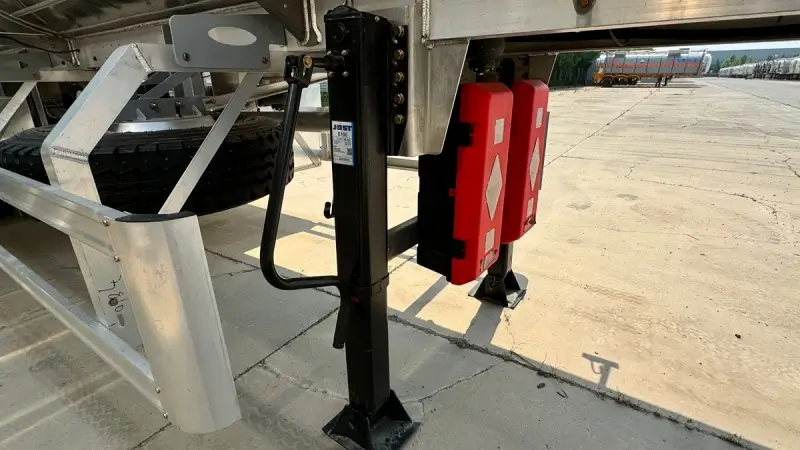
Landing Gear: Front mechanical or hydraulic landing gear system to bear the static load when detached from the towing vehicle.
III. Core Components of Tank Trailers: Safety and Operation Control
3.1 Liquid Loading and Unloading System
Top Loading System:
Integrated Manhole Cover: Combines breather valve, overflow probe, and quick connector
Sealed Loading and Unloading Interface: Complies with API standards, reducing volatile emissions
Bottom Loading and Unloading System: API unloading valve meets international certification
Gravimetric or Pumped Design: Adapts to different unloading conditions
3.2 Active Safety System
Overflow Protection: Ultrasonic or capacitive level sensor, 95% level warning, 100% automatic shut-off
Static Elimination System: Trailing strip, anti-static pallet
3.3 Monitoring and Metering System
Flow Meter: Direct fuel outflow volume
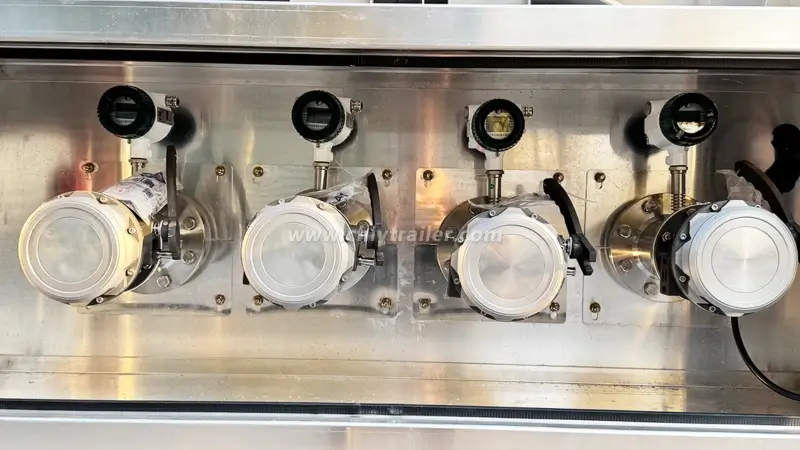
Dip Gauge: Measures fuel level in the tank during loading and unloading
INTAI Trailer has completed the production and shipment preparation of a 35CBM Tipper Semi Trailer for a customer in Uganda.
INTAI Trailer has successfully completed the production and delivery of 3 Axle Cement Bulker Trailers, which is prepared for shipment
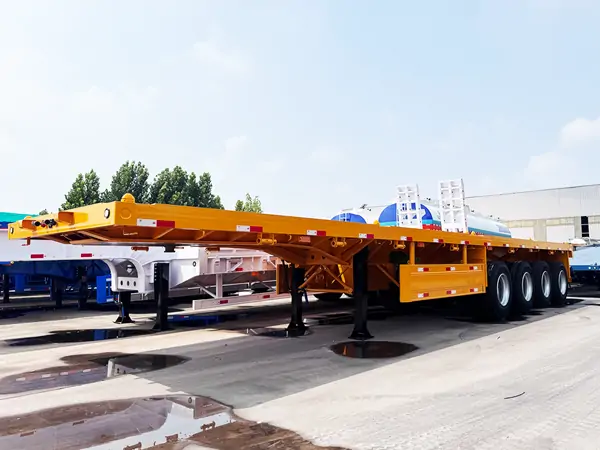
INTAI Trailer recently completed the production and delivery of 3 Axle Flatbed Semi Trailers Shipped To Rwanda, providing a reliable transportation